Huaisu and Wild Cursive Script: Calligraphy's Most Daring Master
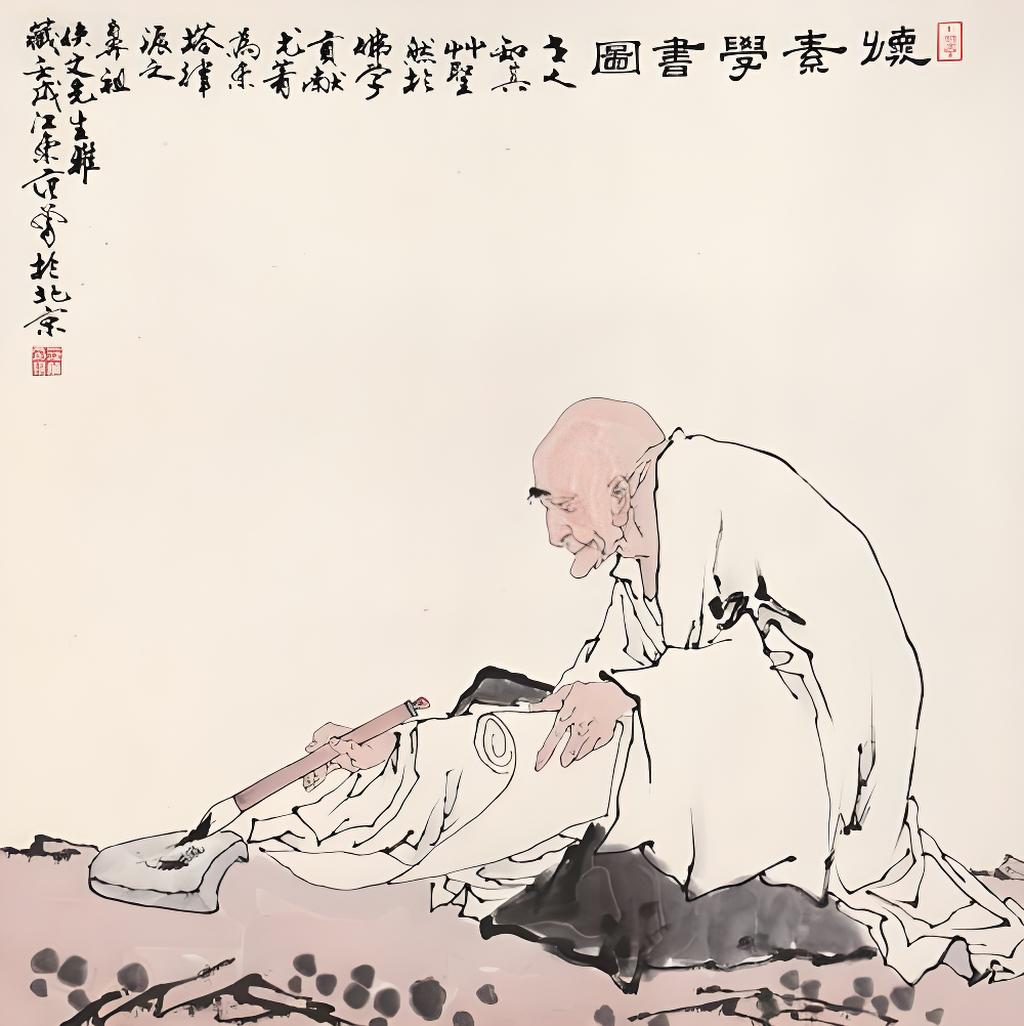
Among the great masters of Chinese calligraphy, Huaisu (怀素, 737–799 CE) holds a special place as the undisputed champion of wild cursive script (狂草). A Buddhist monk from Hunan Province during the Tang Dynasty, Huaisu was known for practicing calligraphy with obsessive devotion — reportedly filling an entire pond with the water used to wash his brushes. Unable to afford paper, he practiced on banana leaves gathered from a plantation he grew himself, wearing them down to nothing before moving on to the next.
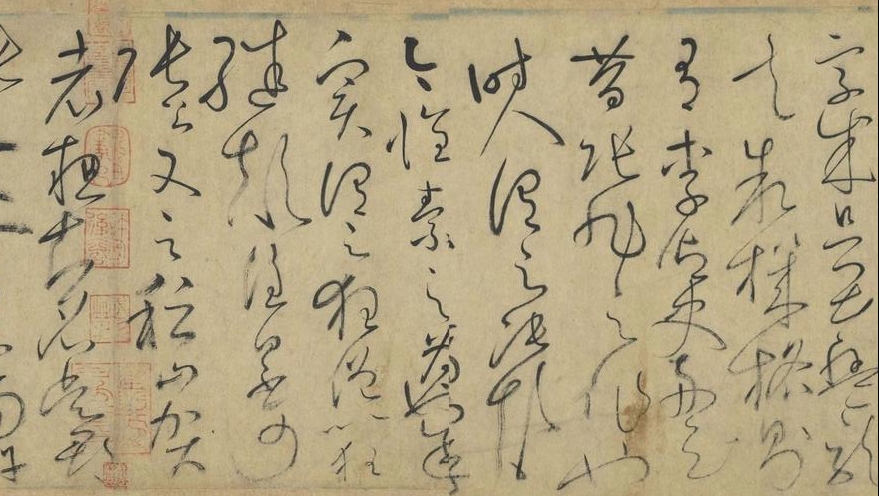
Wild cursive script is the most fluid and expressive of all Chinese script styles. Unlike standard or clerical script, which follow strict rules of structure and spacing, wild cursive script (狂草) allows the writer's brush to flow continuously, merging strokes and sometimes entire characters in a single, unbroken movement. It demands complete mastery of brush technique and a deeply internalized sense of form. Huaisu pushed this style to its absolute limits, producing works that feel explosive and alive, as if the characters themselves are racing across the page.
His most celebrated work, Autobiography (自叙帖), is considered one of the greatest pieces of cursive calligraphy ever created. Written in 777 CE, it records his own life story in energetic, sweeping brushwork that shifts in rhythm and intensity from line to line. The original is now housed in the Taipei Palace Museum and remains a foundational text for anyone studying the history of Chinese calligraphy.
Huaisu's legacy endures in every calligraphy studio in China today. Students still copy his works to learn the principles of cursive script, and collectors prize even faithful reproductions of his masterpieces. His life story — a devoted monk who turned artistic obsession into enlightenment — has made him a beloved figure not just in calligraphy but in Chinese cultural history as a whole.