Masters of Calligraphy: Wu Xizai
Wu Xizai (吴熙载, 1799–1870), also widely known as Wu Rangzhi (吴让之), was a preeminent Qing Dynasty calligrapher and seal carver. As a direct disciple of Bao Shichen (包世臣) and a spiritual successor to Deng Shiru (邓石如), Wu played a crucial role in breaking away from the rigid Cabinet Style (馆阁体) of the era.
His greatest artistic achievement lies in seal carving, where he refined and perfected the Deng School (邓派). By masterfully wielding the carving knife as if it were a brush, he fully realized the aesthetic philosophy that "seal carving derives from calligraphy", seamlessly blending agility with rounded, unyielding strength.
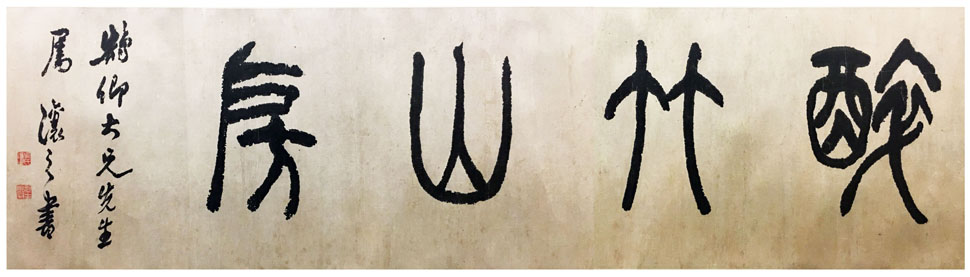
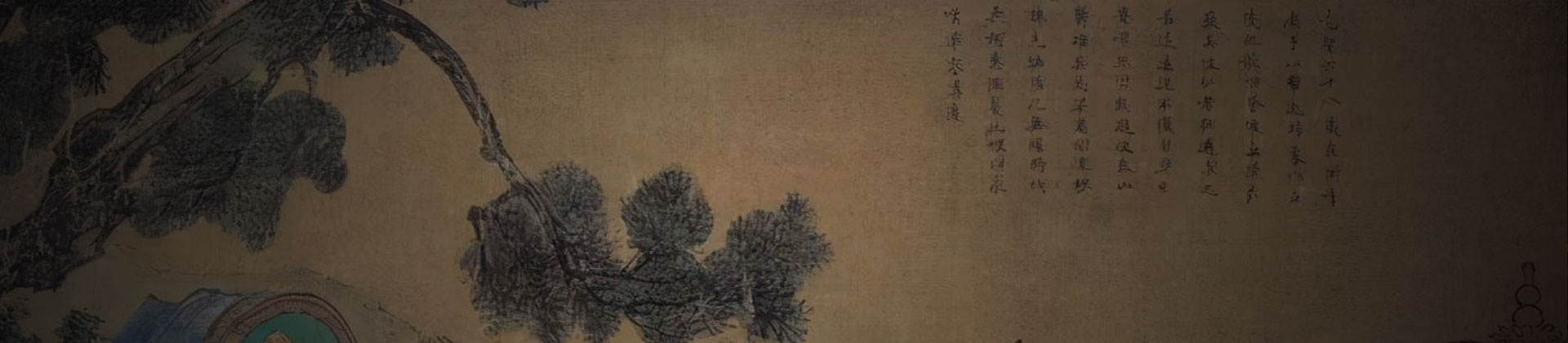
In calligraphy, Wu mastered four scripts, drawing profound inspiration from ancient Han steles. His clerical script, notably showcased in the Ouyang Yongshu Scroll, is celebrated for its strong epigraphic flavor. His brushwork—featuring tightly gathered centers and expansively stretched limbs—echoes the majestic endurance of ancient bronze and stone inscriptions. The masterful use of flying white and dry brush techniques reveals a literati's resilience. Through his masterful brush, Wu Xizai breathed life into ancient steles, creating a timeless resonance between classical grandeur and literati grace.