Beyond the Escapism: The New Small-Town Youth in Modern Chinese Cinema
If your impression of China is limited to the glittering skylines of Shanghai or the bustling avenues of Beijing, you might be missing a vital piece of the cultural puzzle: the small-town youth. Much like Western indie films that explore the restless coming-of-age in the American Rust Belt or quiet suburbs—think of the longing in Lady Bird or the quiet grit of The Last Picture Show—this Chinese cinematic trope captures the unfiltered reality of young people living in the margins of rapid urbanization.
For decades, internationally acclaimed directors like Jia Zhangke championed these stories, depicting ordinary kids wrestling with a deeply relatable dilemma: stay in a familiar but stagnant hometown, or risk everything for a daunting megacity? However, as we navigate 2026, this narrative has evolved. Today’s filmmakers capture a new generation that is hyper-connected to the internet yet physically rooted in the margins.
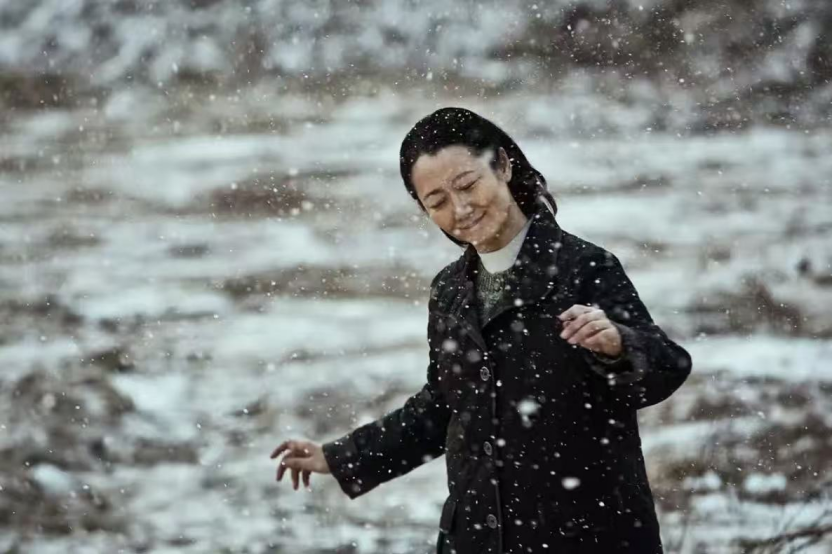
▲Picture from the film Mountains May Depart
Modern indie darlings like Wei Shujun’s meta-comedy Ripples of Life and the grassroots sci-fi hit Journey to the West blend this provincial backdrop with dark humor, poetic realism, and a touch of modern existentialism. These characters are no longer just desperate to escape; they are dreamers and rebels turning their rural landscapes into playgrounds for absurd, magical adventures.
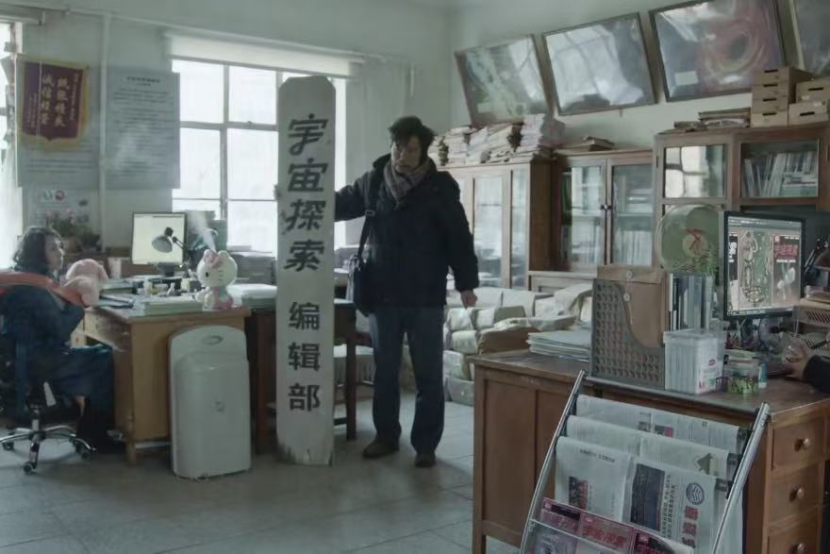
▲Picture from the film Journey to the West
For international audiences, these films offer a profoundly grounded viewing experience. They strip away the gloss of blockbuster spectacles to reveal the authentic heartbeat of a fast-changing nation, proving that the growing pains of youth and the search for belonging are truly universal languages.