Crouching Tiger, Hidden Dragon: A Masterpiece of Wuxia Cinema
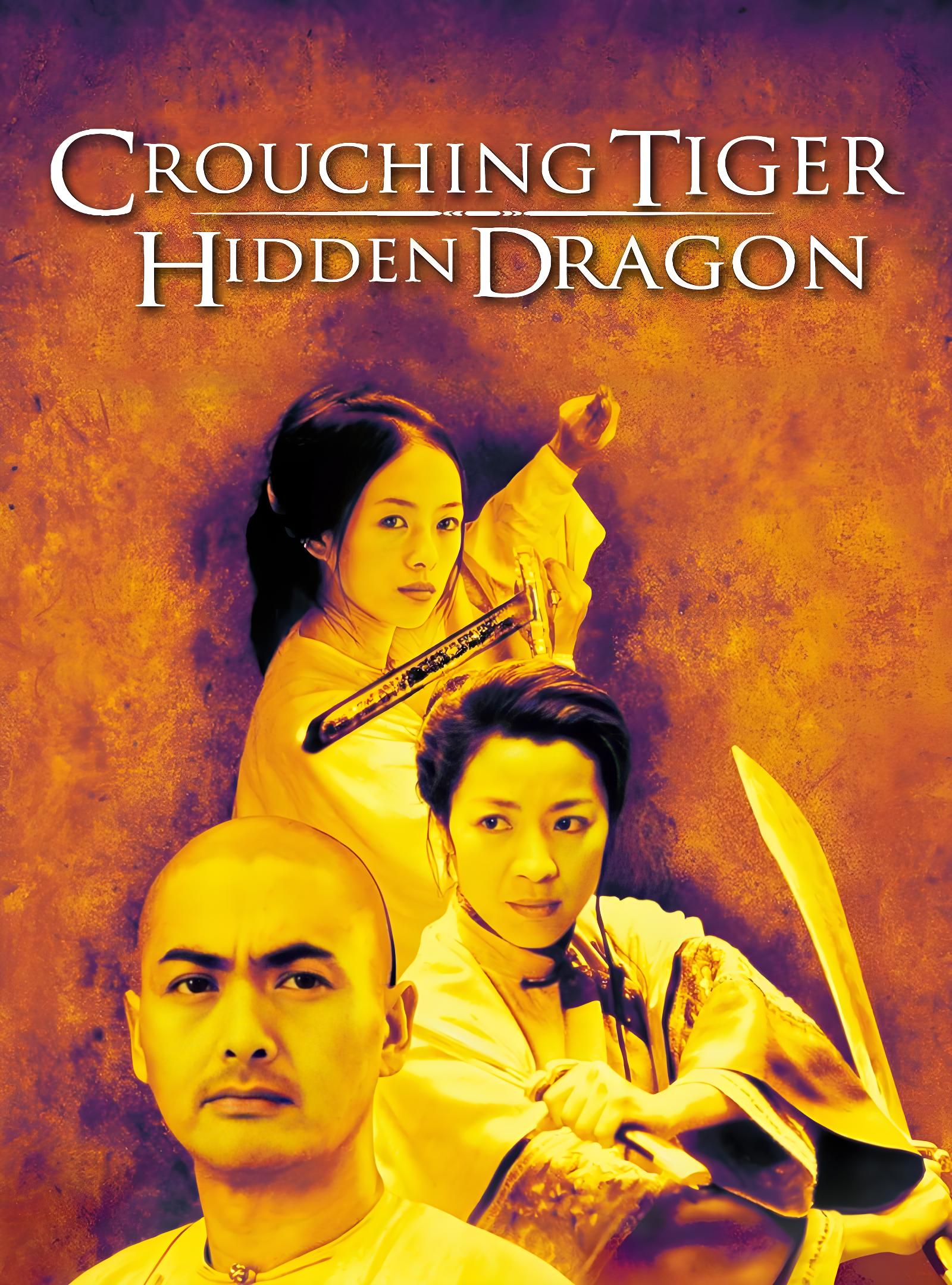
Released in 2000 and directed by Ang Lee (李安), Crouching Tiger, Hidden Dragon (卧虎藏龙) became a landmark moment in the history of Chinese-language cinema. The film tells the story of a legendary sword, the Green Destiny (青冥剑), and the warriors who pursue it across Qing Dynasty China. Blending martial arts action, romance, and classical Chinese aesthetics, it achieved something rare — a Chinese film that was simultaneously a global blockbuster and a work of serious artistic ambition.
What set the film apart was the way it reimagined the wuxia (武侠) genre for an international audience. The fight sequences, choreographed by Yuen Woo-ping (袁和平), defied gravity — combatants leapt across rooftops, skimmed over lakes, and dueled high in bamboo forest canopies. These scenes were not merely spectacular; they expressed the inner emotional states of the characters, turning combat into a form of poetic conversation. The visual language was rooted in Chinese painting and opera, yet entirely cinematic.
The film won four Academy Awards, including Best Foreign Language Film, and was nominated for Best Director and Best Cinematography — an extraordinary achievement for a non-English film. It introduced millions of Western viewers to the wuxia tradition and sparked renewed international interest in Chinese martial arts cinema. Its success paved the way for a wave of ambitious Chinese historical epics in the years that followed.
Beyond its commercial success, Crouching Tiger, Hidden Dragon is remembered for its complex female characters. Both Michelle Yeoh's (杨紫琼) warrior Yu Shu Lien and Zhang Ziyi's (章子怡) rebellious Jen Yu are more than action heroes — they are women navigating desire, duty, and freedom in a world that constrains them. Their stories give the film an emotional depth that has made it endure long after the spectacle has faded.