The Art of Martial Dance: Sword, Fan, and Fist Movements in Chinese Culture
In China, martial arts aren’t just about fighting—they blend seamlessly with dance to create breathtaking performances. Sword dance (剑舞), fan dance (扇舞), and fist dance (拳舞) are prime examples, combining combat techniques with artistic grace.
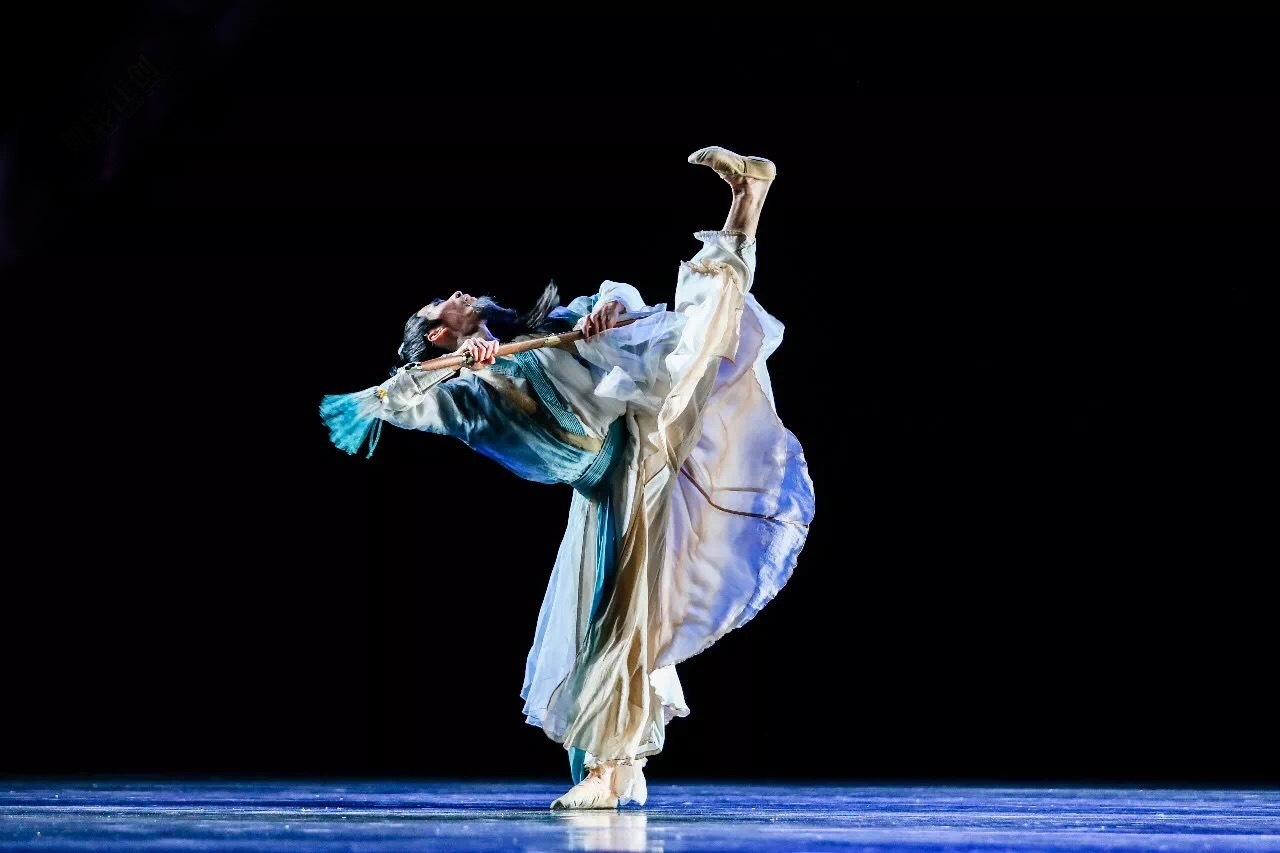
Imagine a sword dancer twirling a blade like a conductor’s baton, their movements precise yet fluid—similar to a figure skater’s routine, but with the weight and danger of a real weapon. Historically, sword dances were performed by warriors to showcase skill, but today, they’re a symbol of elegance, often seen in classical Chinese operas.
The fan dance is more playful. Dancers manipulate silk fans in synchronized patterns, creating visual "waves" or blooming flowers. Think of it as the Chinese version of rhythmic gymnastics, where props enhance the performance. Fans symbolize joy and cultural refinement, making this dance popular at celebrations.
Meanwhile, fist dance (often linked to styles like Tai Chi) turns martial arts stances into a choreographed "fight" against imaginary foes. Like capoeira’s blend of dance and self-defense, it emphasizes rhythm and breath control.
These art forms reflect China’s philosophy: discipline meets beauty. Whether watching a sword’s gleam or a fan’s flutter, you’re seeing centuries of culture distilled into motion—a must-see for any enthusiast of global performing arts.