Dance and Poetry: The Art of Movement in Classical Chinese Verse
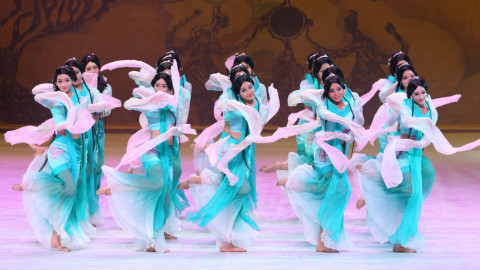
Classical Chinese poetry often paints vivid pictures of dance, blending movement with emotion in ways that resonate across cultures. Imagine the swirling skirts of a flamenco dancer or the graceful spins of a ballet soloist—Chinese poets used similar imagery to capture the energy of dance, but with unique cultural flavors.
For example, the Tang Dynasty poet Bai Juyi described dancers as "swaying like willows in the wind," comparing their fluid motions to nature’s elegance. This is akin to how Western poets might liken a dancer to a flowing river or a flickering flame. Dance in these poems wasn’t just physical—it symbolized joy, sorrow, or even political unrest. When poets wrote of "golden cymbals clashing as dancers leaped," it was like describing a lively jazz performance with rhythmic intensity.
One famous image is of the feathered robe dance, where performers wore light, feathered costumes, resembling the ethereal grace of a bird in flight. This is similar to how ballet’s Swan Lake uses costumes to enhance the illusion of transformation.
Through poetry, Chinese dance becomes more than steps—it’s a language of emotions, history, and artistry. For readers unfamiliar with China, think of it as the ballet of the East: expressive, symbolic, and deeply tied to storytelling. Just as Shakespeare’s plays bring movement to life on stage, classical Chinese poets did so with words, making dance eternal.