Taiwan Indigenous Dance: The Body Language of the Harvest Festival
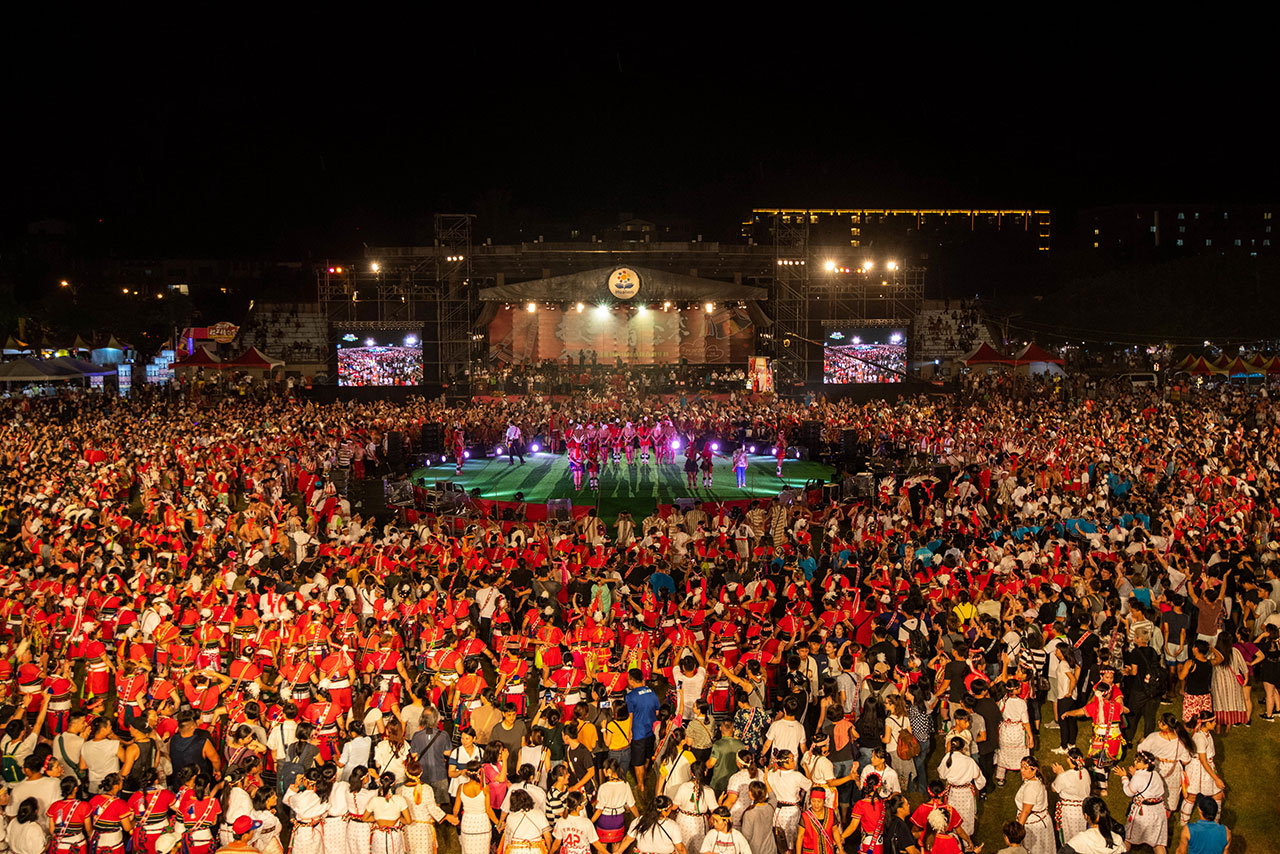
Taiwan’s indigenous peoples have a rich cultural heritage, and one of their most vibrant expressions is the Harvest Festival (丰年祭), where dance plays a central role. This festival, held annually by various tribes like the Amis and Atayal, celebrates the rice or millet harvest—similar to Thanksgiving in the United States or harvest festivals in Europe. Through rhythmic movements, dancers tell stories of nature, community, and gratitude.
The dances carry profound cultural meanings and social functions. Among the Amis people, the hand-in-hand dance (牵手舞) serves as both a vibrant performance and a courtship ritual. Youths and maidens select partners through silent companionship on the dance floor, with a young woman quietly joining her chosen suitor’s side to share rhythmic steps. The Atayal tribe’s dynamic circle dances feature exaggerated upper-body sways, foot stomps, and playful gestures, creating a distinctive style that blends storytelling with communal joy. Meanwhile, the Paiwan people’s ceremonial dances vividly reflect tribal identity: layered formations in harvest celebrations place elders on the outer circles, warriors in the middle, and children at the core, while youthful dancers intertwine hands to exchange affection amid the pulsating beats of prayers for prosperity.
Costumes, often adorned with beads and feathers, add another layer of meaning. Bright colors reflect the natural world, while patterns may tell tribal legends. The music—drums, bamboo flutes, and chants—guides the dancers’ steps, creating an immersive experience.
For visitors, attending a Harvest Festival offers a window into Taiwan’s indigenous soul. The dances are not just performances but a living connection to ancestors, land, and tradition. Just as ballet or flamenco carries European history, these movements speak a profound, physical language.