The Lezuo Dance: A Harmonious Circle of Hani and Yi Heritage
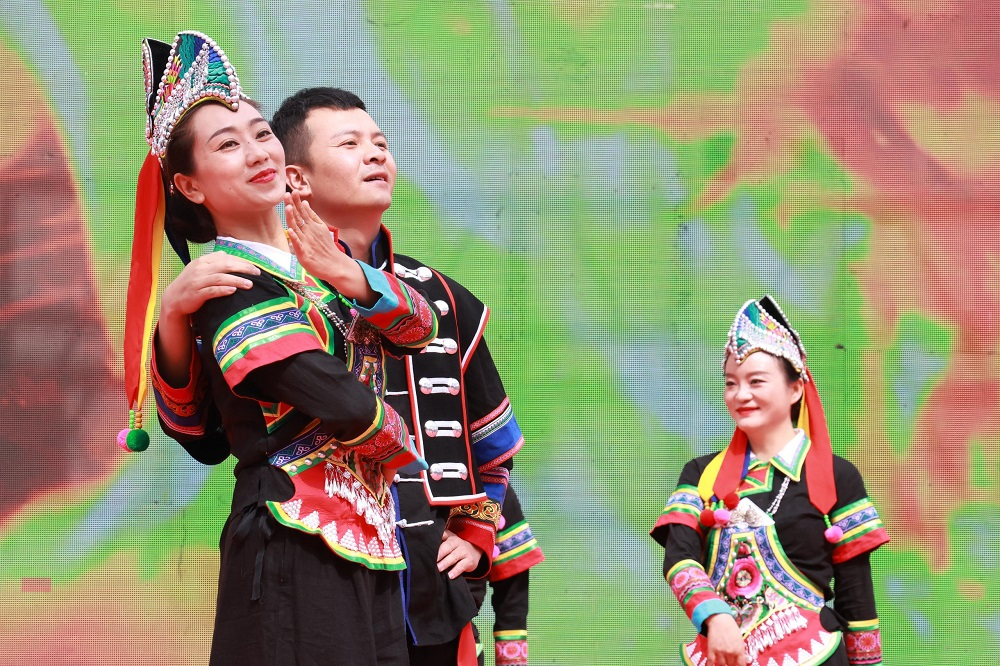
Recognized as a National Intangible Cultural Heritage (国家级非物质文化遗产), the Lezuo Dance (乐作舞) is an ancient folk tradition shared by the Hani (哈尼族) and Yi (彝族) people in Honghe County, Yunnan (云南省红河县). The name Lezuo translates to "everyone dancing together." Rooted in agricultural life, the dance is said to have originated from a folk tale of an orphan joyfully imitating the process of harvesting buckwheat through rhythmic movements.
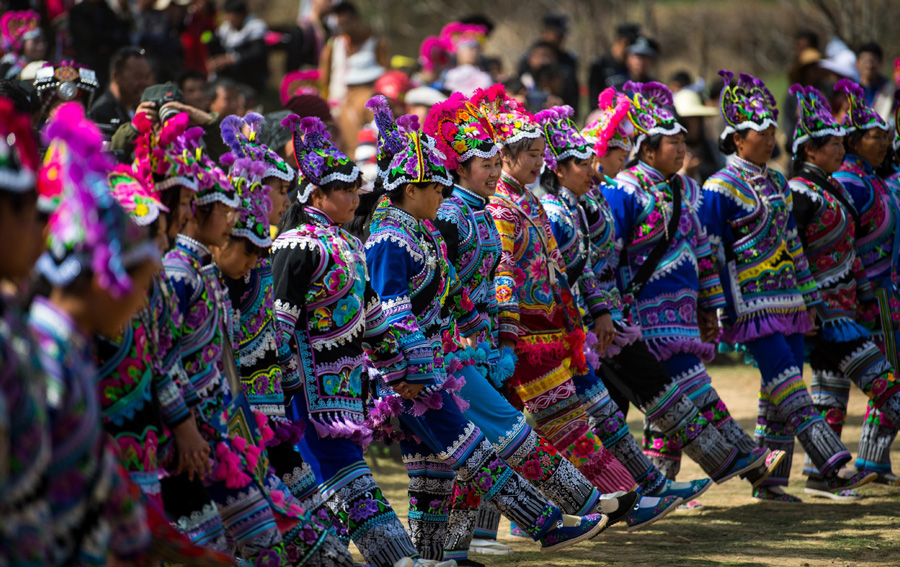
Unrestricted by time or venue, the dance is performed in a circle by an even number of men and women. Dancers feature graceful, light movements with bouncy knee flexes and fluttering, dragonfly-like arm gestures. Accompanied by handclaps and traditional instruments such as the bawu (巴乌) and sanxian (三弦), the performance comprises twelve vivid routines depicting daily labor and life, built upon the signature "stepping buckwheat" (踩荞) footwork.
Beyond entertainment, the Lezuo Dance serves as a vital social medium and spiritual bond, beautifully fostering unity and friendship among ethnic communities.