Lucky Numbers, Colors, and Animals: Unpacking Chinese Symbolism
In Chinese culture, everyday things like numbers, colors, and animals carry deep symbolic meanings, often tied to luck, prosperity, or tradition. These beliefs, though unfamiliar to outsiders, are easy to understand with simple comparisons.
Take numbers: 8 (ba) sounds like "prosperity" (fa) in Chinese, making it as lucky as the number 7 is in the West (associated with perfection). Many Chinese couples even pay extra for phone numbers or wedding dates with 8s. Meanwhile, 4 (si) is avoided because it sounds like "death"—similar to how some Westerners dislike the number 13.
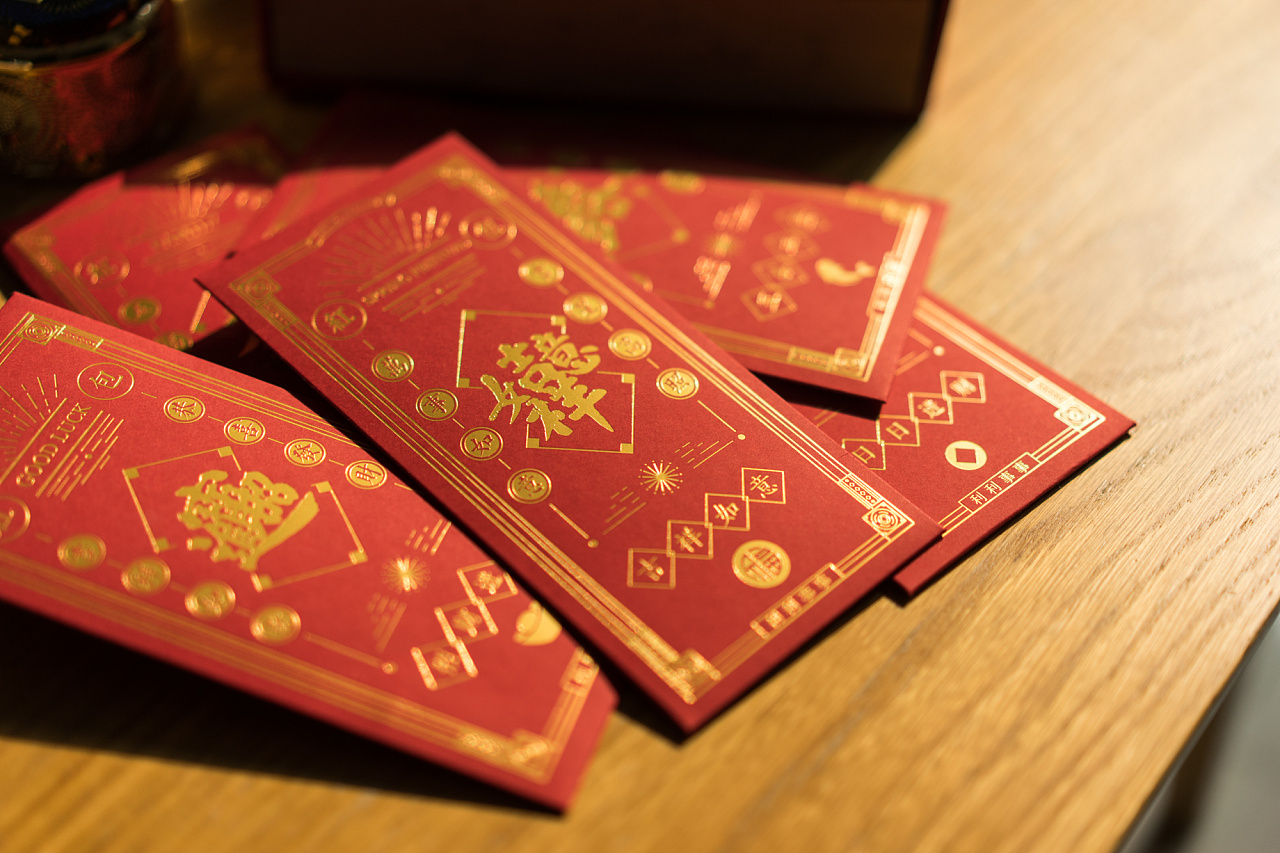
Colors also hold meaning. Red, the color of weddings and festivals, symbolizes joy and luck—like green in Ireland for luck. But white is linked to mourning, unlike its Western association with purity.
Animals? The dragon isn’t a fire-breathing villain but a symbol of power and good fortune—think of it as China’s version of a eagle (a national pride symbol). Meanwhile, the crane represents longevity, much like a turtle does in Western folklore.
These symbols shape daily life—from red envelopes for gifts to avoiding 4-floor buildings. Understanding them adds fun context to Chinese traditions, showing how culture turns everyday things into meaningful signs of luck and identity.