Local Temple Fairs and Market Culture
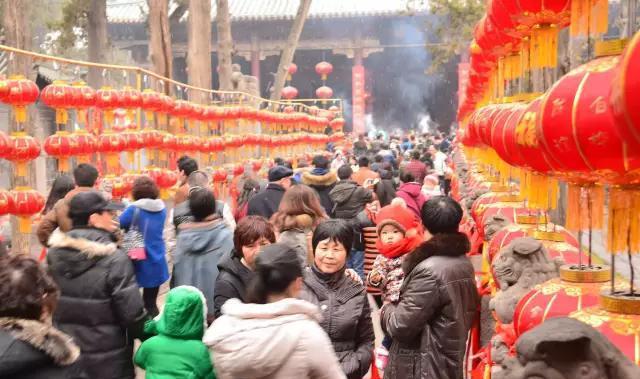
Temple fairs and markets are vibrant threads in China’s cultural tapestry, blending religion, commerce, and community. While similar to Europe’s medieval fairs or America’s state festivals, Chinese temple fairs are deeply rooted in ancestor worship and seasonal celebrations.
In Northern China (e.g., Beijing’s Changdian Temple Fair), these events often center around historic temples, featuring lion dances, traditional snacks like jianbing (savory crêpes), and handmade crafts. Imagine a Christmas market fused with a carnival—locals pray for luck while tourists try sugar figurines shaped like dragons.
Jiangnan (the Yangtze Delta, like Shanghai’s Longhua Temple Fair) highlights elegance. Think Venice during Carnevale with delicate silk lanterns, Kunqu opera performances, and sweet osmanthus treats. The fair here feels more refined, mirroring the region’s poetic culture.
In Southwestern China (e.g., Chengdu’s Qingyang Palace Fair), spice and energy dominate. Like Mexico’s Day of the Dead but with Buddhist twists, stalls overflow with Sichuan pepper snacks, fiery liquor, and folk performances. Locals might rub a bronze monkey statue for luck—a ritual akin to touching a Blarney Stone for luck in Ireland.
These fairs aren’t just shopping—they’re living museums where ancient traditions meet modern life, offering foreigners a flavorful entry point into China’s diverse heritage.