Feng Shui and the Philosophy of Traditional Chinese Homes: The Cultural Logic Behind Architectural Layouts
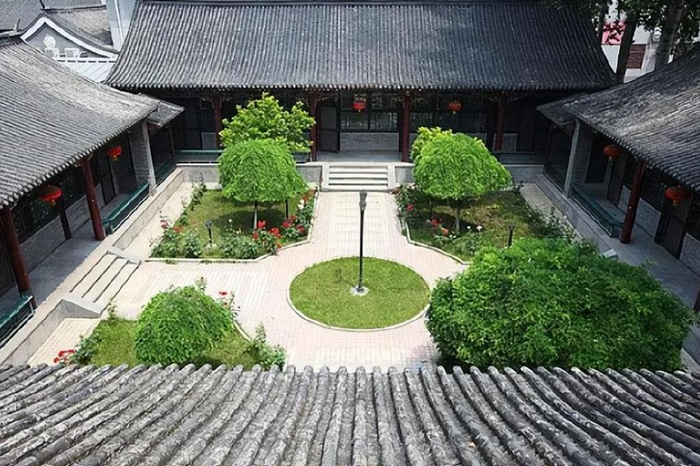
For centuries, Chinese home design has been deeply influenced by feng shui (风水), a philosophy that harmonizes people with their environment. Think of it as the architecture of balance—similar to how Western minimalism emphasizes clean spaces for mental clarity, but with a spiritual twist.
At its core, feng shui seeks to align homes with natural forces like wind (feng) and water (shui). A classic example is the placement of the front door: ideally, it shouldn’t face a sharp wall (seen as blocking energy) or directly face a road (symbolizing chaotic arrow-like energy). Instead, a gentle curve or a screen might soften the approach—like how landscape architects design gardens to guide movement naturally.
Inside, the layout matters: the master bedroom often sits in the back, symbolizing stability, while the kitchen (fire element) avoids clashing with the water-filled bathroom. This mirrors how Scandinavian design separates noisy and quiet zones for functionality. Even furniture arrangement follows rules—mirrors shouldn’t reflect beds (linked to restless sleep), akin to how some cultures avoid placing beds under beams for psychological comfort.
Beyond superstition, feng shui reflects a broader philosophy of harmony. It’s like biophilic design in the West, which connects humans with nature, but rooted in ancient Chinese concepts of qi (life energy). By understanding these principles, one can appreciate how Chinese homes aren’t just shelters—they’re carefully crafted spaces where culture, science, and spirituality intertwine.