Symbolic Embroidery in Chinese Folk Art: Auspicious Motifs in Bibs, Insoles, and Pouches
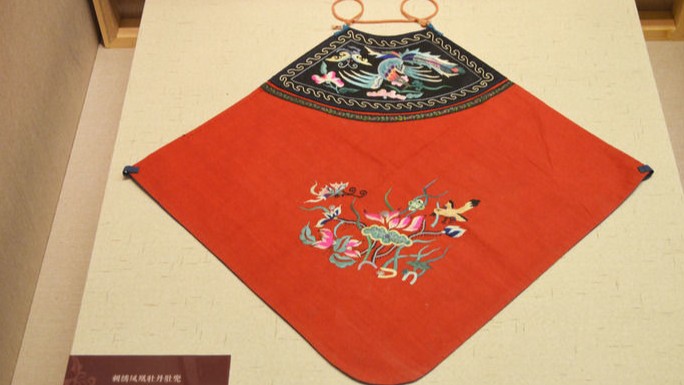
Chinese folk embroidery, especially on items like bib (肚兜, dùdōu), insoles (鞋垫, xiédiàn), and pouches (荷包, hébāo), is rich with hidden meanings. These designs aren’t just decorative—they carry deep cultural wishes for luck, health, and protection, much like how Celtic knots symbolize eternal life or how four-leaf clovers represent good fortune in Western traditions.
A bib, worn by children, often features the Five Poisons (蛇、蝎、蜈蚣、壁虎、蟾蜍) alongside a tiger, to ward off evil, akin to how horseshoes are hung for protection. Insoles may have lotus flowers (莲花, liánhuā), symbolizing purity and progress (as the lotus grows from mud to bloom), similar to how olive branches signify peace. Pouches, once used to hold herbs or coins, are embroidered with mandarin ducks (鸳鸯, yuānyāng) for love or peaches (桃子, táozi) for longevity, echoing how hearts or oak trees represent affection and strength in other cultures.
These patterns blend artistry with daily life, turning everyday objects into carriers of blessings. For instance, a dragon-and-phoenix pouch might be gifted to newlyweds, just as a horseshoe is placed above a doorway for luck. Understanding these symbols offers a glimpse into how Chinese culture weaves meaning into the practical—a tradition as universal as storytelling through design.