The Lantern Festival: Light, Riddles, and the First Full Moon
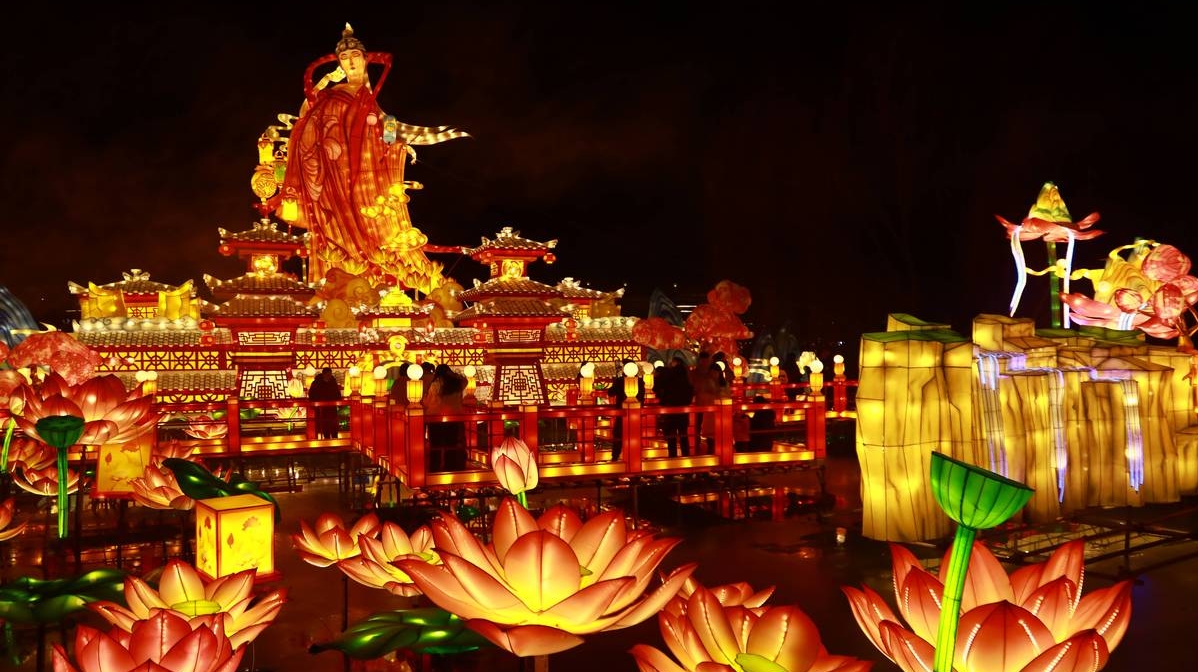
The Lantern Festival (元宵节) falls on the fifteenth day of the first lunar month — the first full moon of the Chinese New Year. It marks the end of the New Year celebrations and is one of the most visually spectacular festivals in the Chinese calendar. After dark, parks, streets, and temple squares fill with glowing lanterns of every shape and color: dragons, fish, lotuses, and animals from the Chinese zodiac, all crafted from silk, paper, or modern LED lights.
The tradition of lighting lanterns on this night stretches back over two thousand years, to the Han Dynasty. The exact origin is debated, but many accounts link the festival to Taoist and Buddhist customs of honoring heaven with light. Over the centuries, the Lantern Festival became a major public celebration — one of the few occasions in traditional China when people, especially women, could freely go out at night and mingle in the streets.
Beyond the lanterns themselves, the festival is filled with lively activities. Guessing lantern riddles (猜灯谜) is a beloved tradition: short poems or puzzles are written on lanterns, and passersby try to guess the answers. Tangyuan (汤圆) — soft glutinous rice balls filled with sweet paste — is the festival's signature food, symbolizing family reunion and wholeness.
Today, the Lantern Festival is celebrated across China and in Chinese communities worldwide. Large lantern fairs attract millions of visitors each year, and the festival has become a showcase for traditional craftsmanship, folk art, and community spirit. Whether enjoyed in a historic old town or a modern city park, the warm glow of lanterns on a winter night carries a timeless message of hope and togetherness.