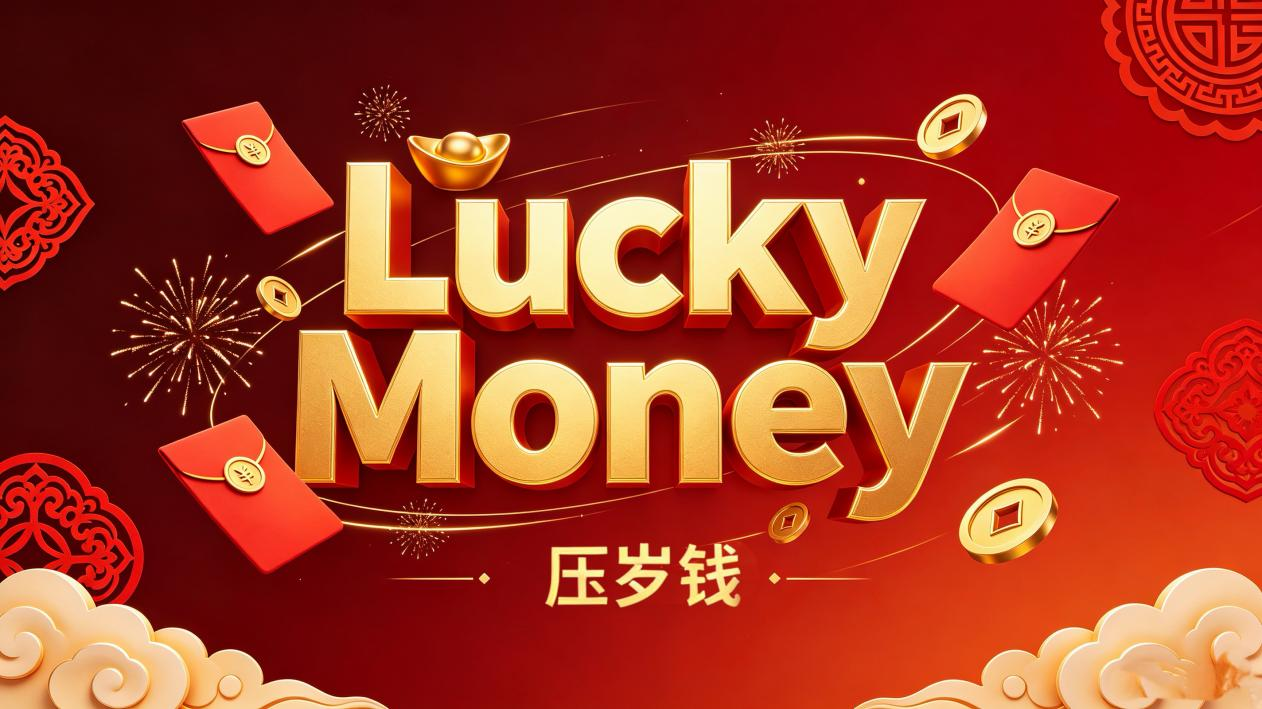
Lucky Money: Blessings Inside Red Envelopes
The Spring Festival, also known as the Chinese New Year, is China's most important traditional festival. Traditionally, the festive season begins with the Kitchen God Festival in the twelfth lunar month and continues through the Lantern Festival on the fifteenth day of the first lunar month. The liveliest and most important celebrations take place on New Year's Eve and New Year's Day.
The Spring Festival is the grandest celebration for Chinese communities around the world. More than a joyful family reunion, it marks the farewell to the old year and the welcome of the new, carrying people's hopes for happiness and good fortune. During this festive season, both the Han people and many ethnic minority groups observe a wide variety of traditions, including making offerings to deities, honoring their ancestors, cleaning their homes to sweep away the old and welcome good fortune, and praying for abundant harvests and a prosperous year ahead.
Among all the Spring Festival traditions, however, there is one that children look forward to most—receiving lucky money.
Lucky money is a monetary gift that elders give to younger family members during the Chinese New Year. It is usually presented in a red envelope, which is why it is also known simply as a "red envelope".
Every family has its own way of giving lucky money. Some families present red envelopes after the New Year's Eve reunion dinner, with elders offering words of encouragement and good wishes. Others quietly place the envelopes beneath their children's pillows while they sleep, symbolizing protection and blessings for the coming year. In some families, children first greet their elders with auspicious New Year wishes and respectful bows before receiving their red envelopes.
In the end, lucky money is about far more than the money itself. Whether coins or banknotes, what truly matters is the love and care they represent—the heartfelt affection of elders for the younger generation, and the respect and gratitude returned in kind. Through this simple act of giving and receiving, the warmth of family is shared, while family values and bonds of affection are passed down from one generation to the next.