Xia Yuan Festival: Taoist Beliefs Surrounding the Water Official
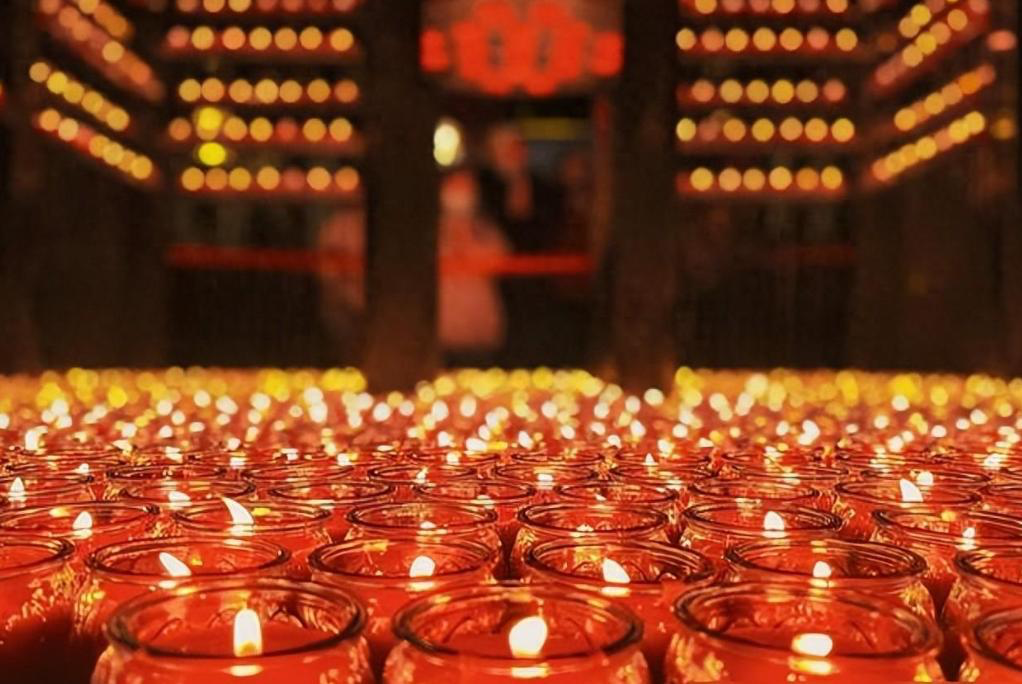
Xia Yuan Festival is one of China's traditional festivals. Together with Shang Yuan Festival (the 15th of the first lunar month) and Zhong Yuan Festival (the 15th of the seventh lunar month), it forms the Three Yuan Festivals and falls on the 15th day of the tenth lunar month.
The festival originated from the Taoist belief in the Three Officials (Sanguan). Taoism honors Yao, Shun, and Yu as the Heavenly, Earthly, and Water Officials, who respectively bestow blessings, absolve sins, and relieve calamities. Among them, Yu was venerated as the Water Official for his achievements in taming the floods. During the Northern Wei Dynasty, the birthdays of the Three Officials were fixed on the 15th of the first, seventh, and tenth lunar months, thus establishing the Three Yuan Festivals. Initially observed as a day of fasting for Taoist priests, the festival gradually extended to the general populace.
In the Tang Dynasty, due to the imperial family's patronage of Taoism, Xia Yuan Festival was designated as an official holiday with a nationwide ban on slaughter. The Song Dynasty saw even grander celebrations, with a three-day government holiday, prohibition of killing, and elaborate lantern displays that rivaled the Lantern Festival. However, from the Qing Dynasty onward, some sacrificial activities were gradually incorporated into Zhong Yuan Festival, causing Xia Yuan Festival to decline in prominence—largely forgotten in northern China while remaining preserved only in certain southern regions.
Among the folk traditions, customs include ancestral worship, offering sacrifices to the Furnace God (Taishang Laojun, deified form of Laozi), and praying to the Water Official for deliverance from hardships. The festival also features distinctive seasonal foods: in the north, red bean paste buns are popular, while in the Hakka regions of the south, people commonly enjoy glutinous rice cakes (ciba) and castor-curd buns (mafubao), among other delicacies.