Inner Mongolia: Hand-Grabbed Mutton and the Milk Tea Feast, A Nomadic Banquet
In the vast, sweeping grasslands of Hulunbuir in northern China’s Inner Mongolia, the culinary culture is as expansive as the landscape itself. For those unfamiliar with this region, imagine the rugged, wide-open ranch traditions of the American West or the Scottish Highlands, but steeped in an ancient Mongolian nomadic heritage. Here, food is about community, survival, and a profound respect for nature. Two essential experiences—Hand-Grabbed Mutton (手把肉) and the Milk Tea Feast(奶茶宴)—perfectly embody this untamed, generous spirit.
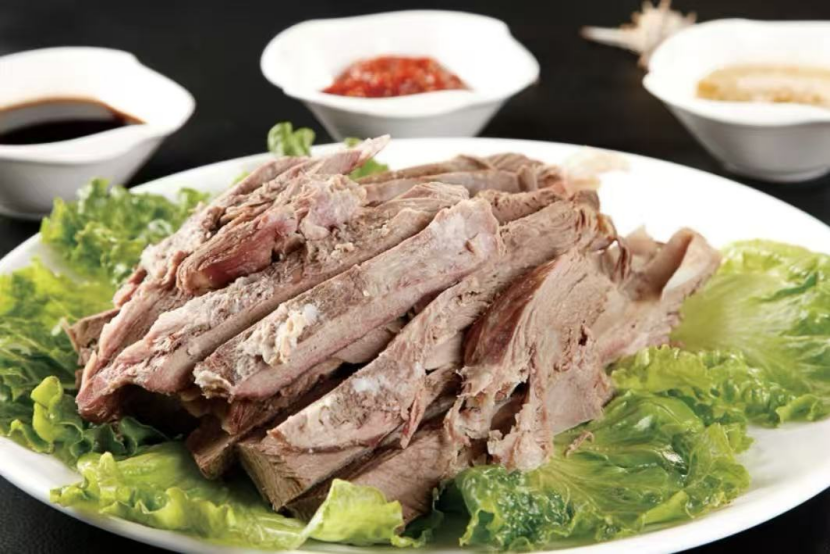
Hand-Grabbed Mutton is the ultimate expression of culinary minimalism. Premium, grass-fed lamb is chopped into large bone-in pieces and boiled in pure water with nothing but a pinch of salt. Much like a classic French pot-au-feu or the way Japanese chefs serve sashimi, the goal is to let the flawless, natural quality of the ingredient shine without heavy seasoning. Diners use small knives to carve the tender meat, dipping it into a bright wild chive sauce. It is a tactile, hands-on experience, akin to the communal joy of a southern American seafood boil.
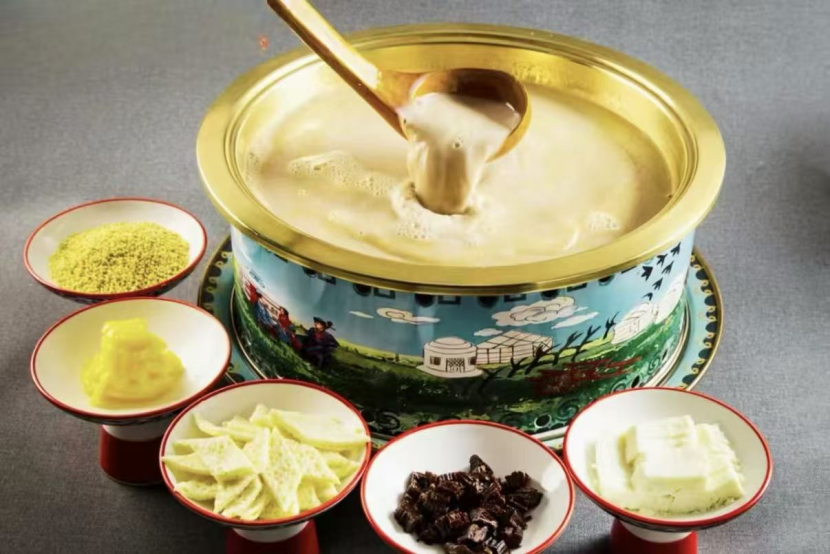
Equally iconic is the Milk Tea Feast. Forget the sweet, icy boba you might know; Mongolian milk tea is a savory, piping hot brew of green brick tea, fresh milk, and salt. It is served with an array of mix-ins like crispy fried millet, rich milk skin, cheese, and dried beef. Think of it as a savory, nomadic version of British Afternoon Tea crossed with a rustic charcuterie board, designed to warm the soul against harsh prairie winters.
In Inner Mongolia, every meal is an ode to the earth. For culinary explorers, this hearty fare offers a true, unfiltered taste of the grasslands.