Laba Festival: The Start of Spring Festival Celebrations
The eighth day of the twelfth lunar month is the traditional Laba Festival in Chinese culture. It is the first major festival before the Spring Festival (Chinese New Year), and from this day onward, the festive atmosphere of the coming New Year grows stronger with each passing day.
The origins of the Laba Festival can be traced back to the La sacrifice of the pre-Qin period. In ancient times, people would hold grand ceremonies at the end of the year using hunted animals as offerings to honor their ancestors and pray for a bountiful harvest and peace in the coming year. The exact date of the La sacrifice was not fixed in early times. During the Wei, Jin, and Northern and Southern Dynasties, Buddhist culture began to merge with this tradition. According to legend, Sakyamuni (the Buddha) attained enlightenment on the eighth day of the twelfth lunar month. Buddhist temples would hold commemorative ceremonies and cook congee as an offering to the Buddha. Over time, the traditional La sacrifice and the Buddhist Enlightenment Day gradually merged and evolved into what became the Laba Festival.
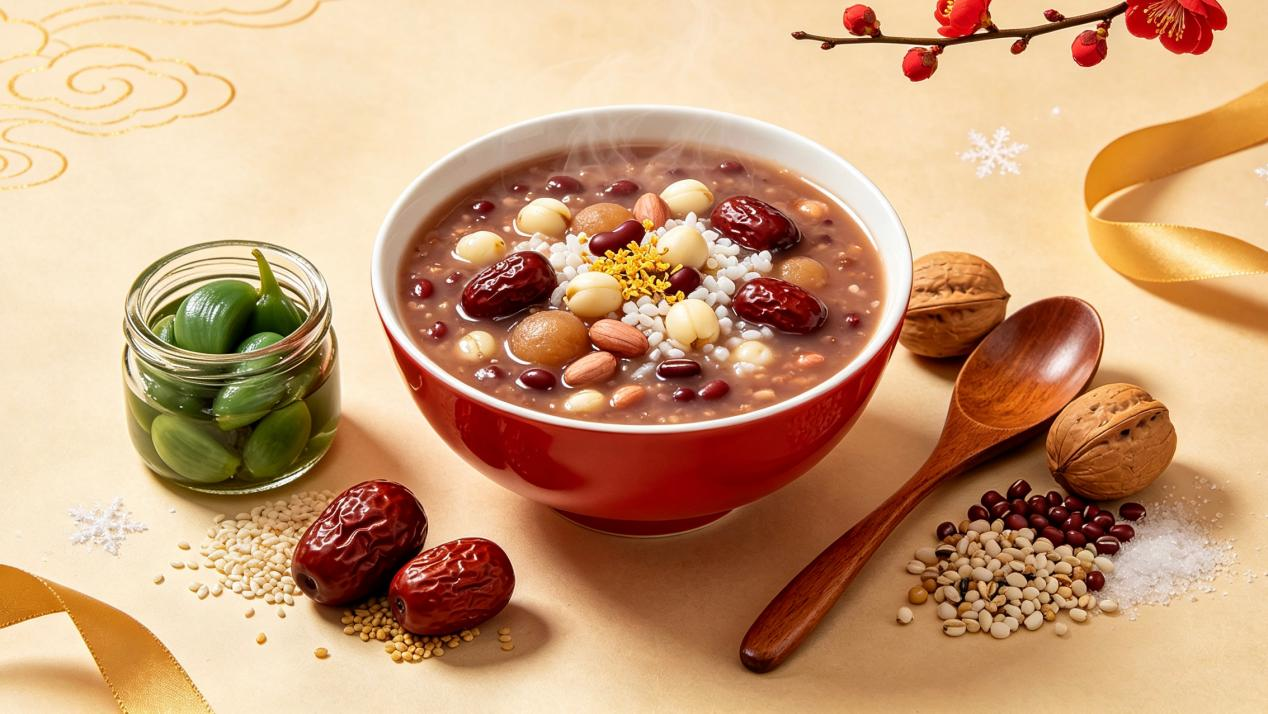
The most widespread and enduring custom of the Laba Festival is drinking Laba congee. According to legend, before Sakyamuni became the Buddha, he practiced extreme asceticism for six years. Eventually, he collapsed from exhaustion, but a shepherdess offered him milk-rice porridge (made by boiling milk with grains). To commemorate this event, Buddhists would cook congee as an offering to the Buddha on the eighth day of the twelfth month each year. This custom spread to the general public and evolved into the tradition of eating Laba congee.
Even today, the Laba Festival remains an important vessel for Chinese emotions and collective memory. In 2021, the Laba Festival customs were inscribed on China's national list of intangible cultural heritage, further affirming their cultural value.