She Ethnic Silverware Forging Technique
The Ningde She Ethnic Silverware Forging Technique is a traditional craft originating in Fujian Province. While centered in Fu’an City, its practice extends across Jiaocheng District, Xiapu County, and Zherong County in Ningde, as well as to Xiamen and Quanzhou. With a history tracing back over 1,000 years to the late Tang and Five Dynasties period, this technique was listed as a National Intangible Cultural Heritage in 2008. It remains integral to She cultural practices, particularly during lifecycle events such as births, weddings, and ancestral worship ceremonies.
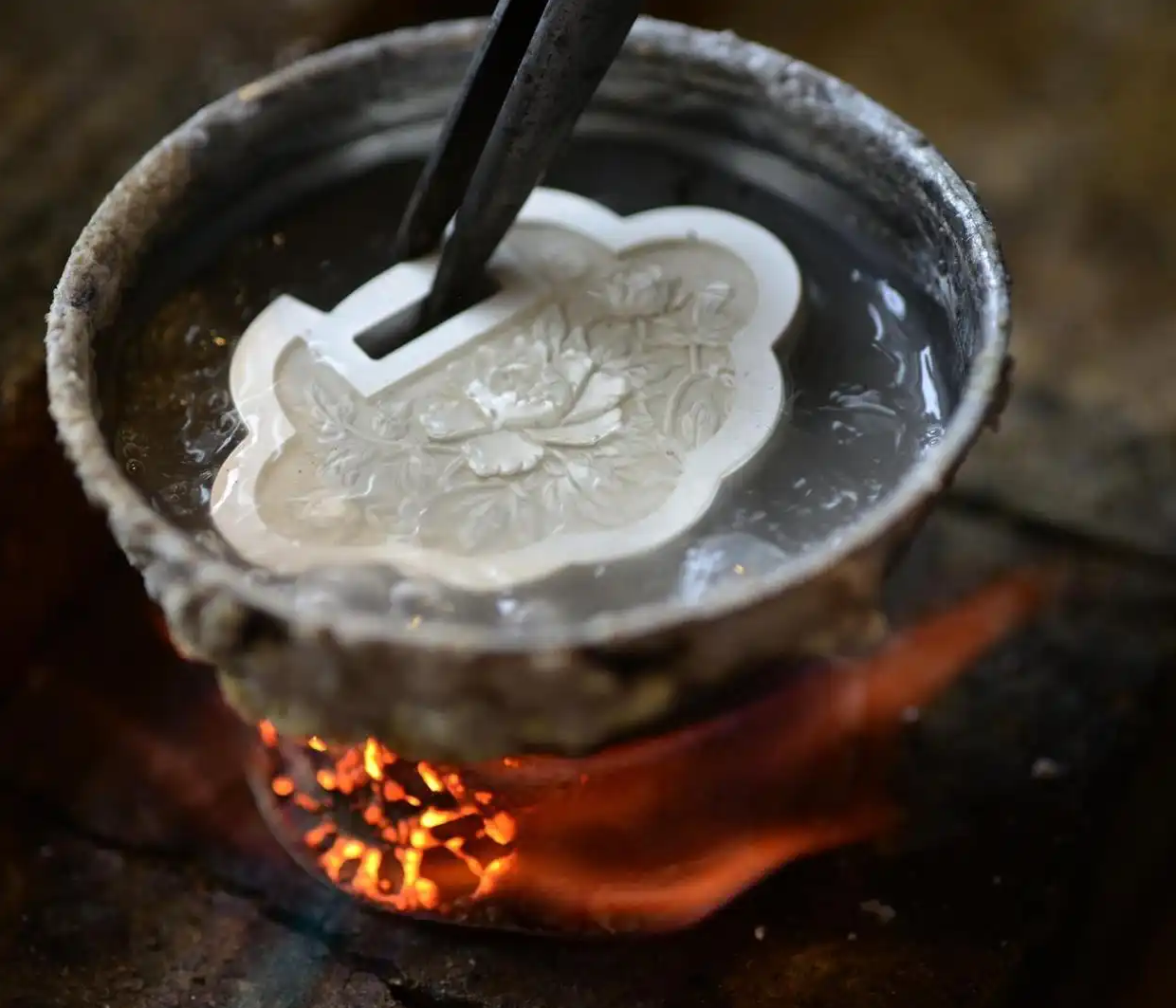
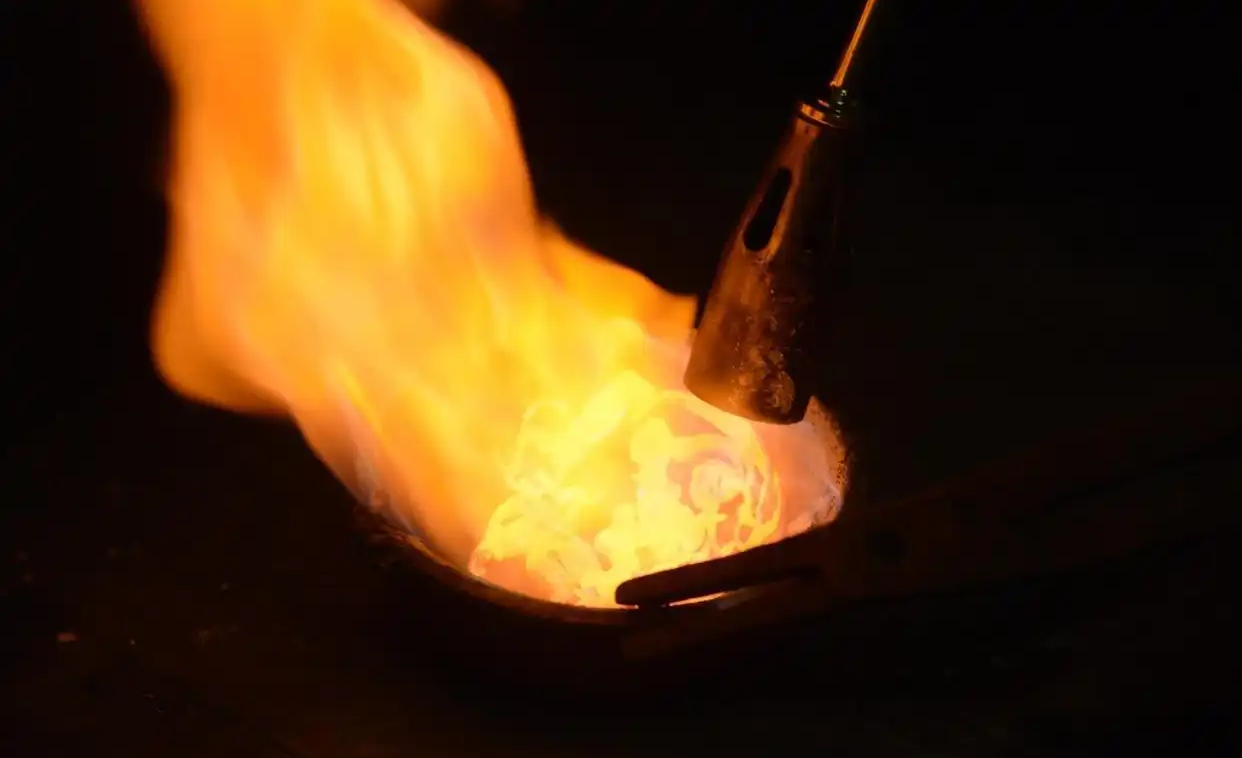
The craft is defined by five core techniques: Cao (handling), Zao (chiseling), Qi (raising), Jie (separating), and Pi (covering). The production process is rigorous, involving specific steps such as melting silver, drawing bars, shaping, cutting, hammering, carving, welding, boiling, and cleaning. A distinctive feature of She silverware is the integration of four sculptural methods: round carving, openwork (filigree), relief carving, and flat carving. Artisans also employ advanced methods including seamless welding, kingfisher feather inlay (diancui), and enamel application. Notable historic workshops, such as Yingsheng Hao in Fu’an, have maintained uninterrupted production for over 147 years since the Qing Dynasty.
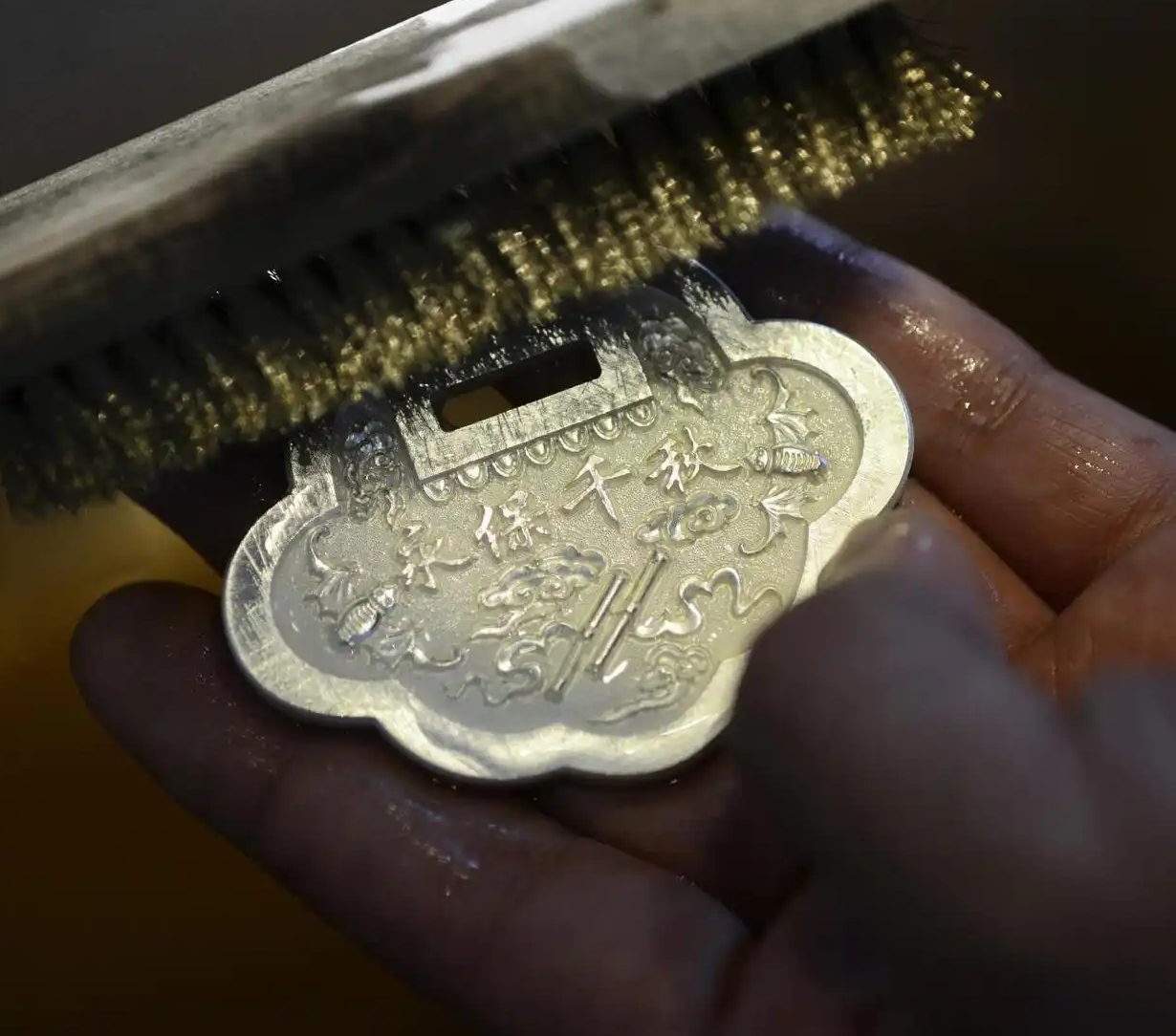
She ethnic silverware serves functional and symbolic roles within the community. Product categories include head ornaments, hair accessories, clothing decorations, belts, bracelets, anklets, children’s bells, as well as tableware and display items. During festivals like the March Third celebration and traditional weddings, women wear elaborate silver headdresses and necklaces. These items historically functioned as indicators of family wealth and social status. Today, the technique preserves traditional forms while adapting to contemporary aesthetic demands.