Soul of the Statue
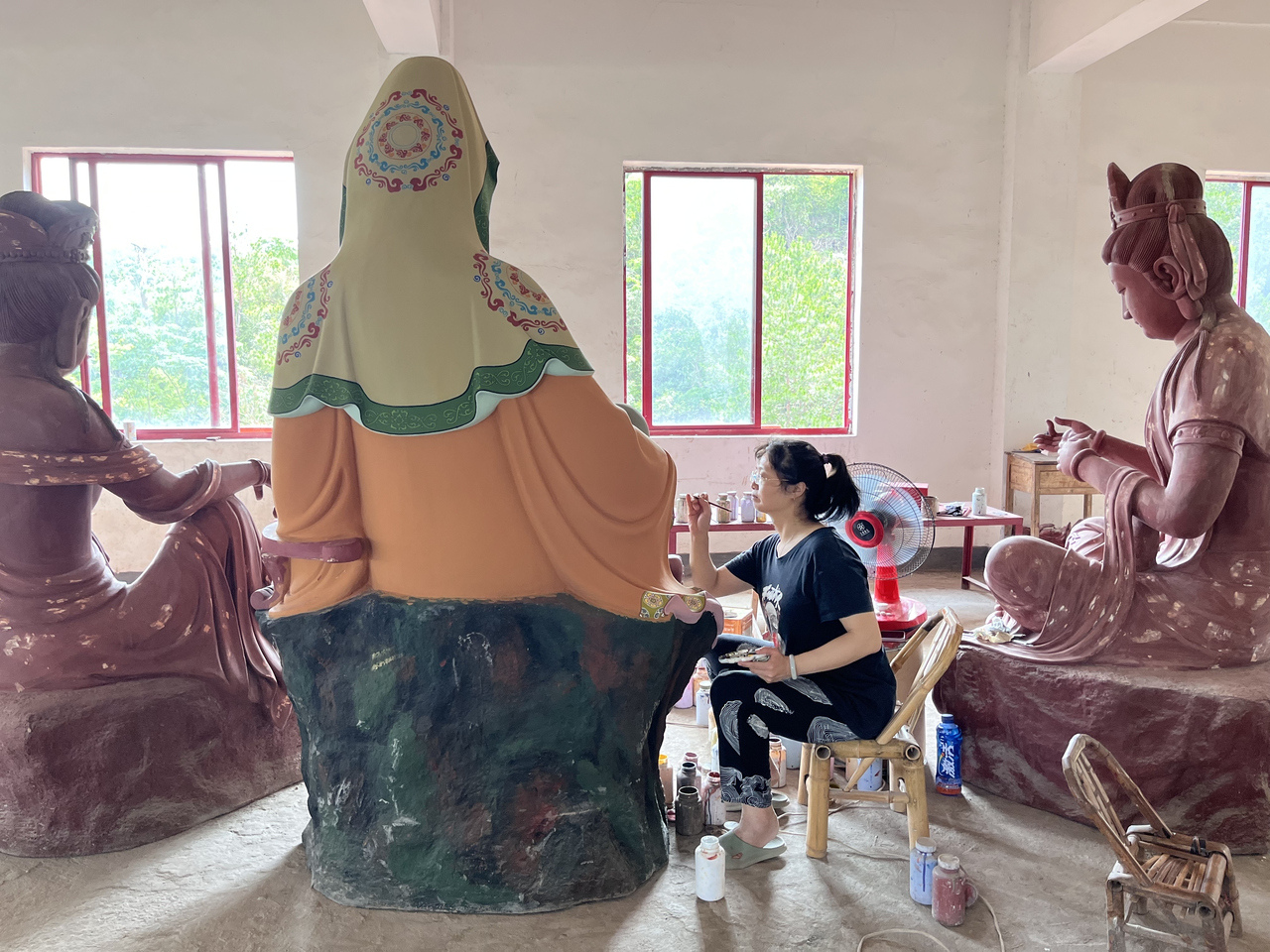
Tiantai Dry Lacquer and Ramie Technique (Ganqi Jiazhu) is an ancient sculptural technique that creates lightweight yet incredibly durable statues, primarily for Buddhist worship. Originating in Tiantai County, Zhejiang, during the Eastern Jin Dynasty, the method involves building a figure layer by layer using hemp cloth soaked in raw lacquer, wrapped around a clay or wooden mold. Once the lacquer hardens, the inner mold is removed, leaving a hollow, seamless shell that is resistant to rot, insects, and cracking. This technique was so advanced that in the Tang Dynasty, the monk Situo used it to create the seated statue of Jianzhen, now a National Treasure in Japan.
The production process is rigorous, comprising 48 distinct handmade steps. Artisans use only natural materials: ramie (hemp), raw lacquer, old tile powder, volcanic ash, tung oil, cinnabar, and gold leaf. Layers of cloth and lacquer are applied, sanded, and polished repeatedly. The final stages involve applying vermilion pigments and gilding, resulting in a statue that combines the grandeur of sculpture with the delicacy of painting. These works were historically used to decorate temples and palaces, valued for their ability to preserve the sacred image intact for centuries.
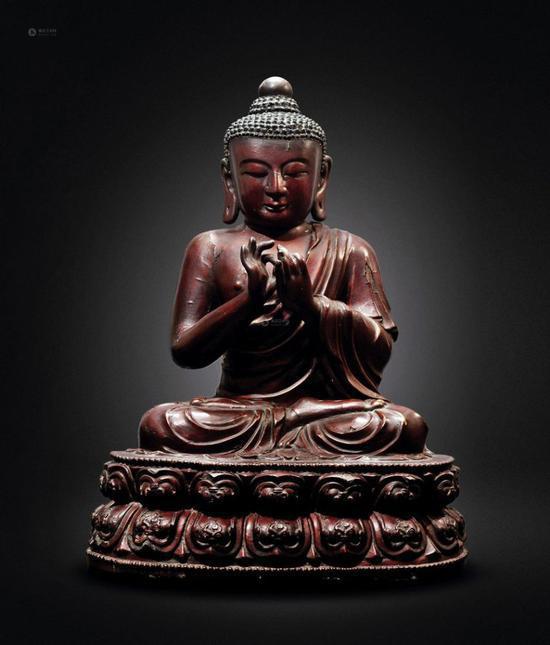
Today, the tradition is kept alive by masters like Tang Chunfu, whose works are collected in nearly 50 countries. The technique holds immense value not only for creating new art but also for restoring ancient artifacts, achieving a repair-as-old effect that modern materials cannot match. However, the craft faces a critical shortage of successors due to the demanding physical labor and years of training required. As a living fossil of Chinese sculptural art, Tiantai Dry Lacquer represents a fusion of faith, chemistry, and artistry, preserving the spiritual essence of history in a form that defies time.