Heritage Grid | In Qingzhou, did a Bulldozer Just Change Art History?
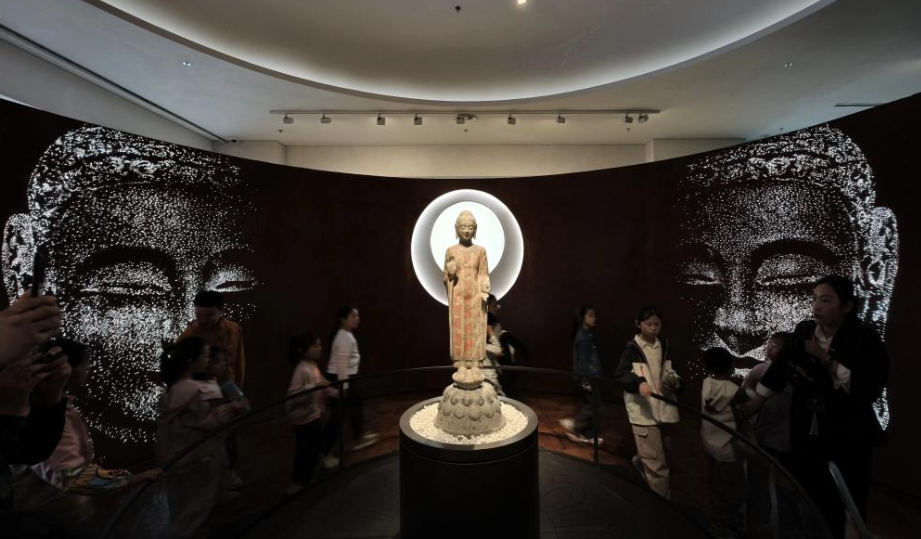
Imagine this: in 1996, a school construction site in a small Chinese city stops work. Why? The bulldozer has just broken into a stone‑filled pit. Archaeologists rush in and find not rubble, but rows upon rows of ancient Buddha statues—over 400 of them, buried in silence for nearly a thousand years.
This was no ordinary excavation. It was the Longxing Temple hoard in Qingzhou, Shandong Province. Voted one of China’s top ten archaeological discoveries of the 20th century, the find stunned the art world. The statues are not huge or imperial. They are human‑sized, intimate, and breathtakingly beautiful. Many wear the Qingzhou Smile —a gentle, inward curve of the lips that feels less divine and more quietly, hauntingly human.
What makes them unique? Their style mixes northern vigor with southern elegance. Bodies are carved in wet‑silk robes clinging like water; faces shift from stern asceticism to soft, rounded warmth. Experts say these statues could rewrite East Asian art history—and they remain the single most dazzling reason to visit Qingzhou.
A Real Imperial Exam Paper – The Only One Left in China
Now walk five minutes from the statue hall into the Qingzhou Museum. Behind glass lies another world‑class wonder: Zhao Bingzhong’s Number One Scholar essay, dated 1598.
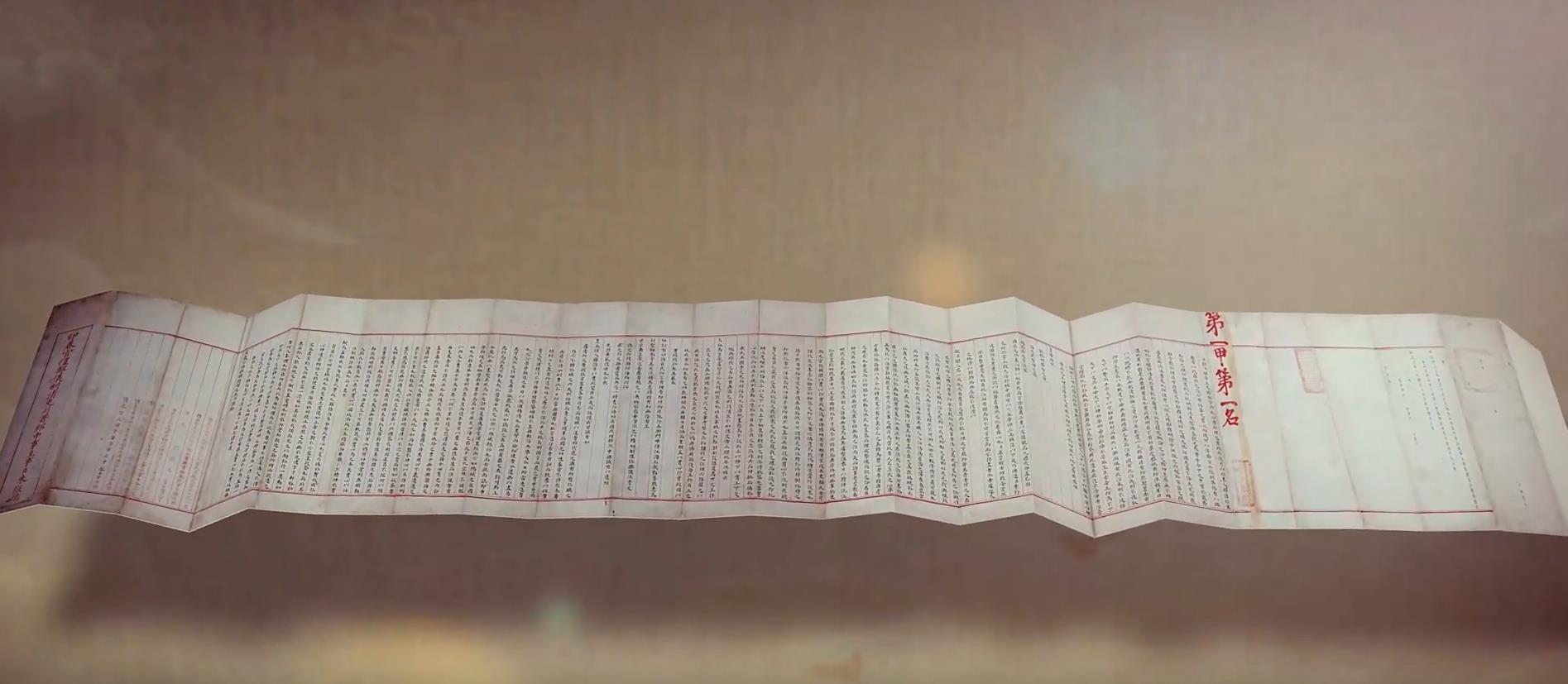
This is the only surviving complete imperial examination paper in the mainland of China. More than 2,400 characters, written in perfect court-style calligraphy, word by word, no mistake. You can still see the emperor’s vermilion approval mark. But what grips you is the story: a young scholar pouring out his vision of good government, then rising to high office, later falling from grace—and the paper itself surviving wars, revolutions, and time. It is not just history. It is a heartbeat from 400 years ago.
A Living Ancient City – Not a Museum Piece
Unlike many “old towns” rebuilt for tourists, Qingzhou Ancient City is alive. Its 120+ Ming‑ and Qing‑dynasty lanes still echo with daily life. You can taste Longsheng pastries (a sweet from 19th‑century imperial kitchens), watch artisans perform Qingzhou shuttlecock kicking (a national intangible heritage with over 300 moves), and listen to the Cuo Qin —a bowed zither some scholars call the ancestor of all string instruments.
This is history you can touch, eat, and play with.
Why Does This Matter Today?
Because Qingzhou teaches a quiet lesson, it was never a capital for long, nor a battlefield famous enough for epics. Yet it kept producing beauty—smiling Buddhas cut from stone, a scholar’s perfect calligraphy, a street vendor’s flying shuttlecock—even when dynasties fell, and wars raged.
One line from a museum plaque says it best:
“We came into the world crying, but we can walk toward eternity smiling.”
That is Qingzhou’s real attraction. Not one treasure, but the courage to carve a smile into chaos—and make it last.
Related articles
-
 All Men Are Brothers?The Water Margin took place here
More
-
Mount Tai: The Symbol of Shandong
More
-
Heritage Grid | Mount Tai: Where Heaven Meets Earth
More
-
Qilu Culture: Prosperous cultural treasure
More
-
Heritage Grid | Is This Modest Stone Shrine the World’s Oldest Surviving Filial Piety Monument?
More