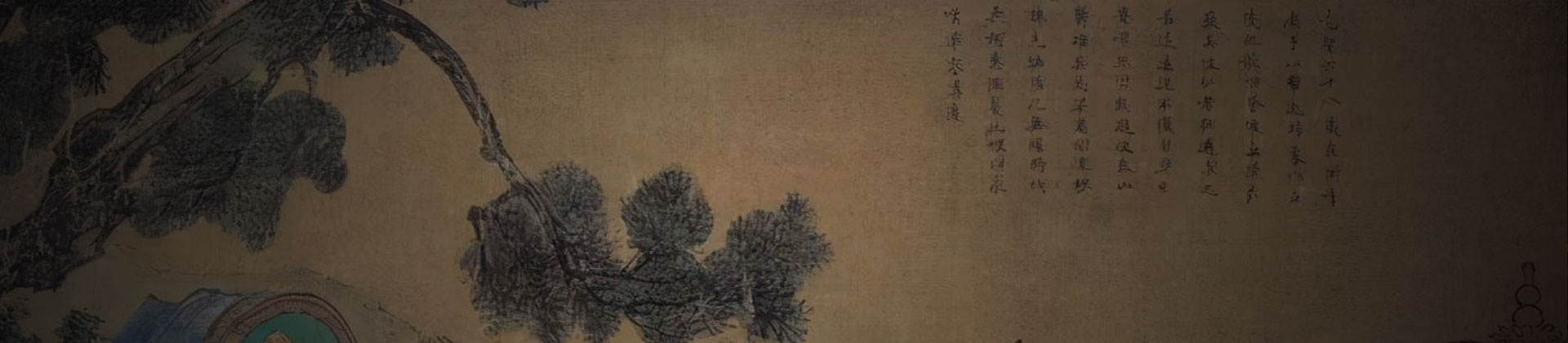
Strange Tales from a Chinese Studio: Love and Humanity in a World of Ghosts and Foxes

Strange Tales from a Chinese Studio (《聊斋志异》), written by Pu Songling in the 17th century, is a collection of supernatural stories that may sound like fairy tales at first—but they’re deeply human. Imagine a mix of Aesop’s Fables, Grimm’s Fairy Tales, and The Twilight Zone, but set in Qing Dynasty China. The stories often feature fox spirits (like magical shapeshifters) and ghosts, but their core themes are universal: love, justice, and the clash between desire and duty.
For example, in one tale, a poor scholar befriends a beautiful fox spirit who secretly helps him succeed in exams—echoing the Western idea of a guardian angel or a magical mentor. In another, a ghost woman remains devoted to her deceased human lover, mirroring stories like Romeo and Juliet but with a twist: her loyalty survives even death.
These stories aren’t just about the supernatural; they reflect Confucian values (like filial piety) and human flaws (greed, loneliness). Like Greek myths or Latin American magical realism, Strange Tales uses fantasy to explore real emotions. For new readers, it’s a window into how Chinese culture blends the mystical with the everyday—a bit like how Halloween blends spooky fun with deeper traditions.
A great read for anyone who loves stories where the line between "human" and "other" blurs, but love remains unmistakably real.