Echoes of Eternity: Two Classic Chinese Romances
Chinese folktales encode profound societal values, much like classical Greek myths. Two beloved legends perfectly capture ancient views on cosmic order and the tragic rebellion against feudal constraints.
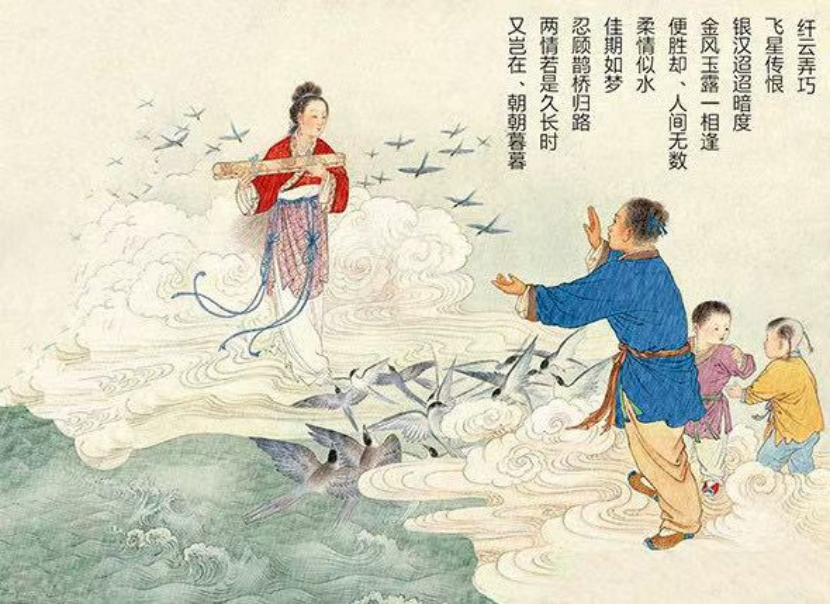
The Cowherd and the Weaver Girl originated from ancient star worship. By the Han Dynasty, the constellations Altair and Vega had been personified into Niulang, a humble mortal cowherd, and Zhinü, a celestial fairy. After Zhinü sneaks to Earth to marry Niulang, the furious Heavenly Court separates them using the Milky Way. Moved by their steadfast devotion, countless magpies form a bridge across the stars, allowing the couple a brief reunion on the 7th day of the 7th lunar month. This cosmic romance is the origin of the Qixi Festival, widely celebrated as China's Valentine’s Day.
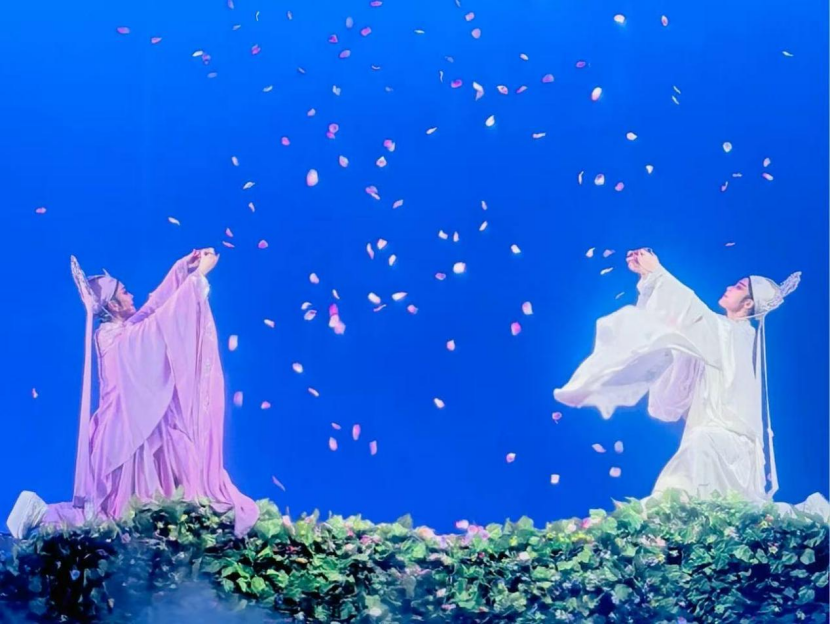
Meanwhile, The Butterfly Lovers is a deeply human tragedy hailed as the "Eastern Romeo and Juliet." Defying the feudal belief that "a woman's lack of talent is her virtue," Zhu Yingtai disguises herself as a boy to attend an academy, falling in love with her classmate Liang Shanbo. After her true identity is revealed, she is forced into an arranged marriage due to a disparity in social status. Liang dies of a broken heart. On her wedding day, Yingtai leaps into his magically opened tomb. The lovers emerge as two butterflies, finally free. Their defiance against arranged marriages remains a powerful cultural symbol, immortalized in classic Yue Opera and a globally renowned violin concerto.