Literary Landmarks Tour: Lu Xun Native Place in Shaoxing
To truly understand modern China, one must read Lu Xun. Widely regarded as the founding father of modern Chinese literature, his cultural impact is often compared to that of Charles Dickens in England or Mark Twain in America. During the early 20th century, he used his pen as a scalpel to dissect social injustices and awaken the national spirit through sharp satire and profound empathy.
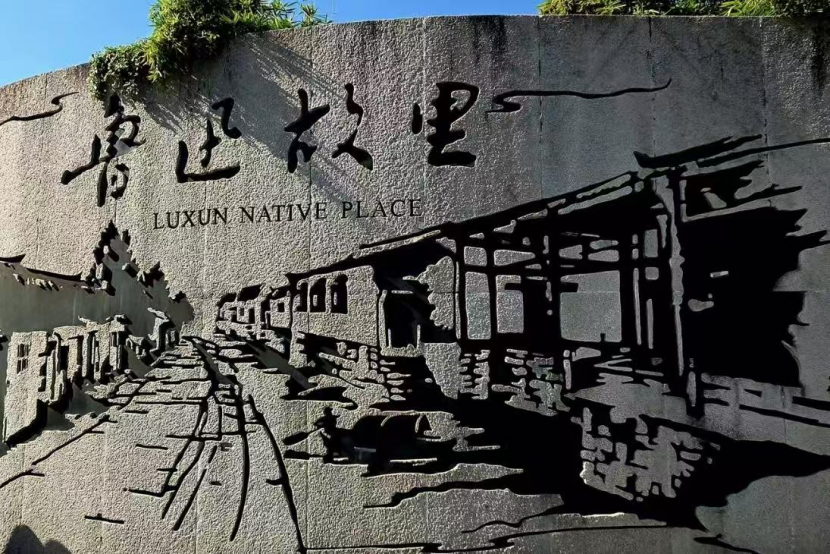
For literature lovers, visiting the Lu Xun Native Place in Shaoxing, Zhejiang Province, is a pilgrimage. Shaoxing is a picturesque southern water town known for its stone bridges and dark-awning boats. Stepping into this historical block feels like walking straight into the pages of his classic stories.
The estate immaculately preserves the environment of his youth. Visitors can explore the Baicao Garden, a lush backyard that served as his childhood paradise, filled with insects, birds, and local folklore. Just a short walk away is the Sanwei Study, the strict traditional schoolhouse he attended. You can still see the exact wooden desk where a young Lu Xun carved the Chinese character Zao, meaning early, to remind himself never to be tardy again.
Just outside the family compound sits the Xianheng Tavern. This real-life establishment served as the iconic backdrop for his famous short story about Kong Yiji, a tragicomic, impoverished scholar. Today, visitors gather at the same wooden tables to drink warm Shaoxing yellow wine and eat fennel beans, perfectly recreating the literary atmosphere.
Touring this landmark offers international readers a tangible connection to the physical and cultural landscape that shaped the voice of a modernizing nation.