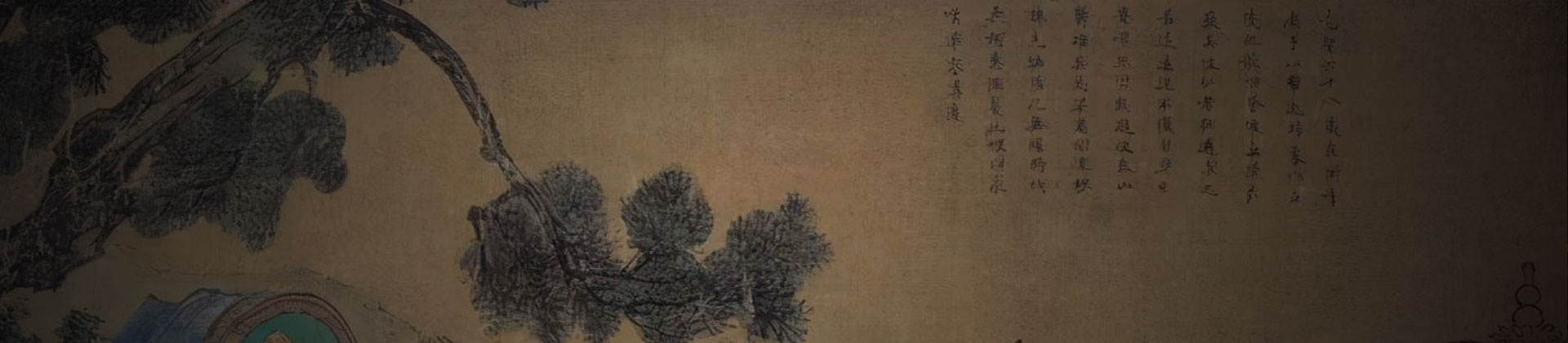
Taoism and Ecological Philosophy: The Modern Environmental Wisdom of "Unity of Heaven and Humanity"

Taoism, an ancient Chinese philosophy, offers profound insights for today’s environmental challenges. At its core is the concept of Tian Ren He Yi (天人合一), or Unity of Heaven and Humanity, which views humans as an inseparable part of nature—not its master. This idea parallels the modern ecological principle that humans must live in harmony with ecosystems, not exploit them.
Imagine a forest where every tree, animal, and stream has a role, just like organs in a body. Taoism teaches that disrupting one part harms the whole—a lesson echoed in global efforts to combat climate change. For example, excessive logging may bring short-term profits but leads to soil erosion and loss of biodiversity, much like overworking your body without rest weakens your health.
A practical Taoist principle is Wu Wei (无为), often translated as "non-action," but better understood as "effortless action" or working with nature rather than against it. Like how Dutch farmers now use natural water buffers instead of concrete dams, Taoism encourages solutions that align with natural rhythms.
Today, cities like Singapore integrate green spaces into urban planning, reflecting this balance. By embracing Taoist wisdom, we can see Earth not as a resource to conquer, but as a living system deserving respect—just as indigenous cultures worldwide have long understood.