
Zen Koans and Sudden Enlightenment: Classic Tales Explained
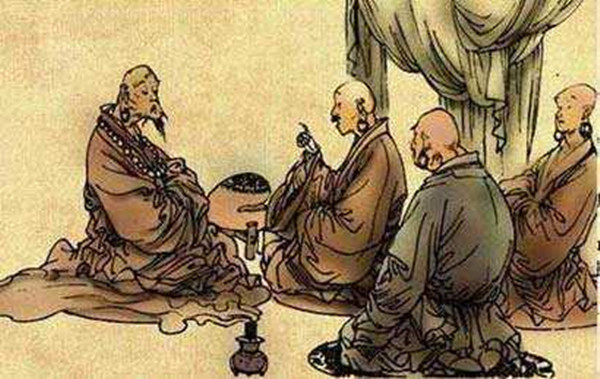
For those curious about Chinese culture, Zen Buddhism offers a unique way of understanding life through stories called koans. Unlike logical puzzles, koans are short, puzzling anecdotes meant to break ordinary thinking and spark sudden insight.
A famous example is the story of a monk who asked, “What is Buddha?” The master replied, “Three pounds of flax.” This seems nonsense—but in Zen, the point is to jolt the mind out of fixed ideas, much like a mental “reset button.” Imagine trying to solve a riddle that feels impossible; when the answer suddenly clicks, you experience sudden enlightenment, a flash of clarity beyond words.
Koans are like Western philosophical thought experiments (e.g., Plato’s cave), but with an Eastern focus on direct inner experience. They encourage people to observe their own minds rather than rely only on books or rules. In traditional Chinese temples, masters used koans to guide students toward awakening, making wisdom feel alive and personal.
Through these vivid tales, Zen shows that truth can arrive unexpectedly, turning everyday moments into chances for deep understanding.