Understanding Traditional Chinese Medicine: The Philosophy of Yin-Yang and the Five Elements
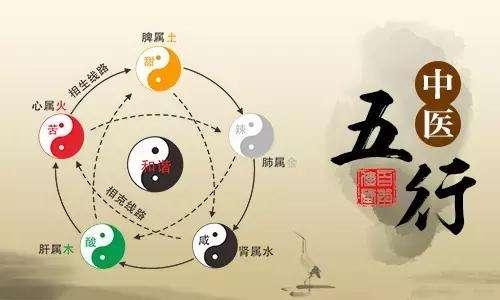
Traditional Chinese Medicine (TCM) is more than just herbal remedies—it’s rooted in ancient philosophy, particularly the concepts of Yin-Yang (balance) and the Five Elements (Wood, Fire, Earth, Metal, Water). These ideas, though unfamiliar at first, mirror universal principles found in other cultures.
Imagine Yin-Yang as a balance scale: Yin (dark, passive) and Yang (light, active) are complementary forces, like day and night or rest and exercise. In TCM, health means harmony between them. For example, too much Yang (stress, heat) might cause a fever, while Yin deficiency (fatigue, coldness) leads to weakness. Similarly, Western medicine recognizes stress (excess Yang) weakening immunity (a Yin issue).
The Five Elements explain how organs and emotions interact. Wood (liver) relates to growth and anger, just as spring’s energy bursts forth. Fire (heart) governs joy, like summer’s warmth. If one element is imbalanced—say, overthinking (Earth element)—it affects digestion (spleen), akin to how stress disrupts gut health in modern science.
TCM treats the whole person, not just symptoms. Acupuncture, for instance, adjusts Qi (vital energy) flow, much like physical therapy realigns the body. By grasping these analogies, newcomers can see TCM as a holistic system—where balance, nature, and mind-body connection form the foundation of healing.