The Roots of Chinese Thought: From a Hundred Schools to a Living Tradition
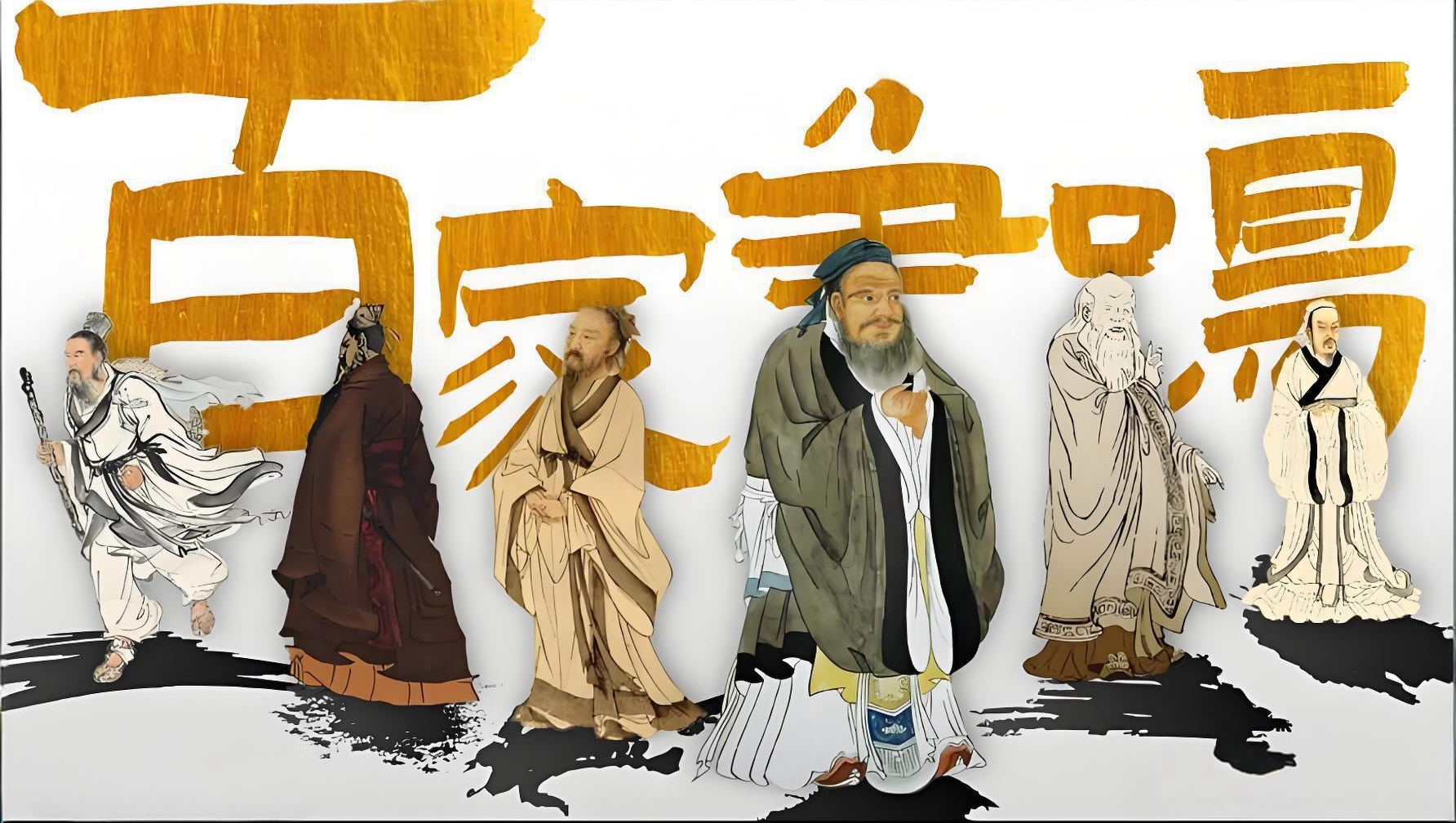
Chinese philosophy began over 3,000 years ago. Its core ideas took shape during a golden age of thinking known as the Spring and Autumn and Warring States period (roughly 770-221 BC). This was an era of A Hundred Schools of Thought, where many different thinkers debated how to create a good society and live a meaningful life.
Here’s a simple timeline of its growth:
The Founding Era: Thinkers like Confucius (Ru Jia) and Laozi (Dao Jia) established the major schools of Confucianism and Daoism, setting the stage for all future Chinese thought.
Becoming Official: During the Han Dynasty, Confucianism became the state's official philosophy, shaping government and education for centuries.
New Influences: Buddhism arrived from India and slowly blended with Chinese ideas, adding new perspectives on life and the mind.
A Major Blend: By the Song and Ming Dynasties, Confucianism had evolved, absorbing ideas from Daoism and Buddhism to form a refined system known as Neo-Confucianism.
Modern Times: Chinese philosophy continues to adapt and converse with Western ideas in today's global world.
Instead of looking to a god or heaven outside this world, traditional Chinese philosophy focuses on inner transcendence —finding profound meaning and harmony within our everyday lives and relationships. Key ideas like Humaneness (Ren) in Confucianism, The Way (Dao) in Daoism, and the ideal of Harmony between Heaven and Humanity have deeply influenced Chinese values, art, and how people live. They are the spiritual foundation of Chinese culture.