Confucianism: The Twin Pillars of Ren and Li
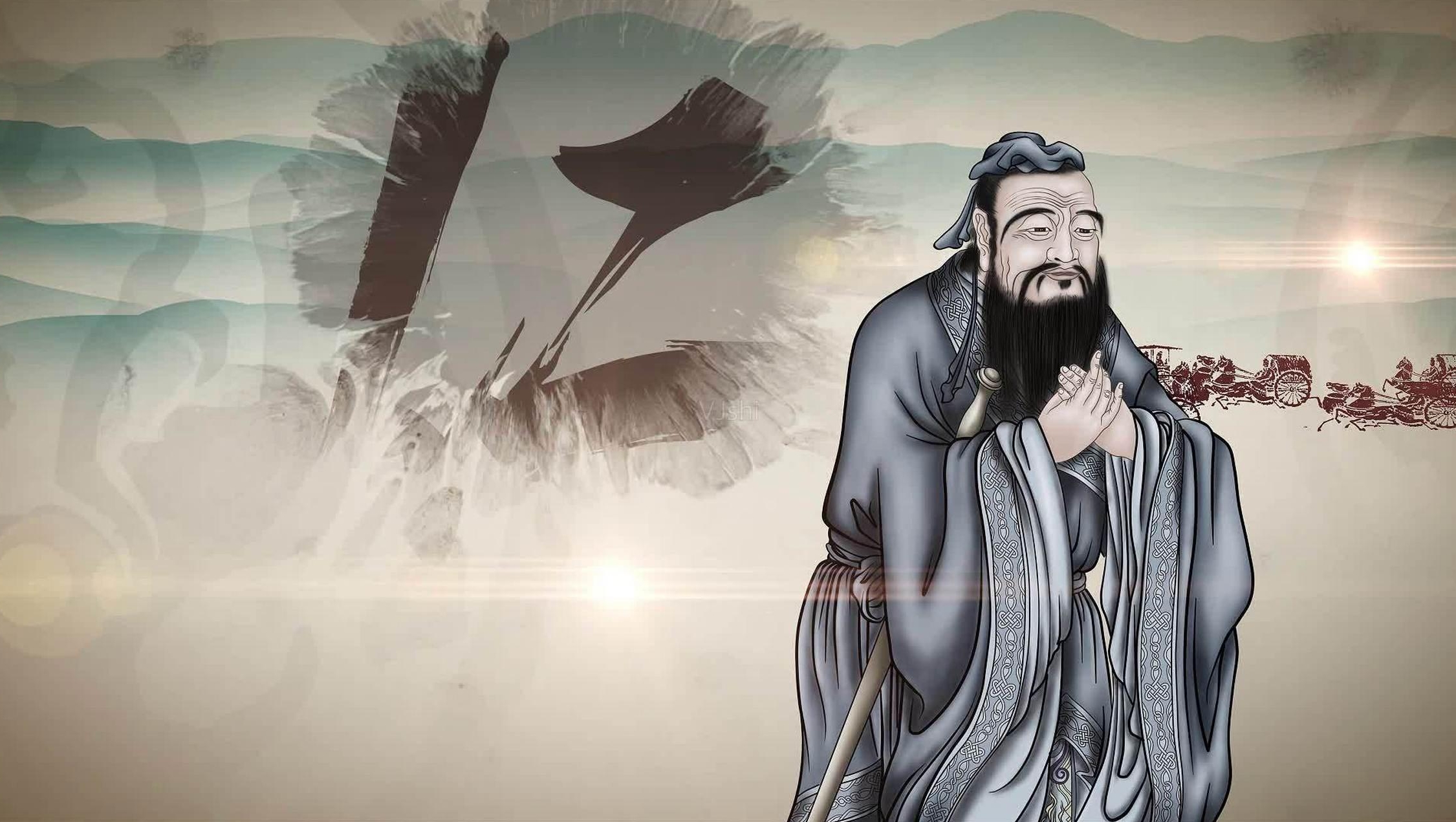
Of all the philosophical traditions that have shaped Chinese civilization, Confucianism (儒家) is perhaps the most enduring. Founded by Kongzi — known in the West as Confucius (孔子, 551–479 BCE) — during a time of political turmoil, Confucianism offered a vision of harmony rooted not in laws and punishments, but in personal virtue and right relationships. At its heart are two concepts Confucius considered inseparable: ren (仁), often translated as benevolence or humaneness, and li (礼), meaning ritual propriety or social decorum.
Ren is the inner quality that makes a person genuinely good. It is expressed through empathy, kindness, and sincere concern for others. Confucius described it simply: do not do to others what you would not wish done to yourself. This ethical principle — sometimes called the Confucian Golden Rule — places human relationships at the center of moral life. A person of ren does not merely follow rules; they act with warmth and care because they have cultivated a virtuous character.
Li refers to the external forms through which ren is expressed in daily life. These include rituals, ceremonies, social etiquette, and the proper conduct expected in each human relationship — between parent and child, ruler and subject, husband and wife, elder and younger, and friends. Confucius believed that observing li sincerely reinforces the bonds of trust and respect that hold families and societies together. Ritual without genuine feeling is empty; feeling without proper form lacks direction.
Together, ren and li form the foundation of the Confucian vision of a good society. For over two thousand years, these ideas have shaped Chinese education, family life, governance, and social values. Even today, the Confucian emphasis on respect, responsibility, and harmonious relationships continues to influence how people in China — and across East Asia — think about what it means to live well and treat others rightly.