
Li (Rites): The Confucian Foundation of Ethics and Society
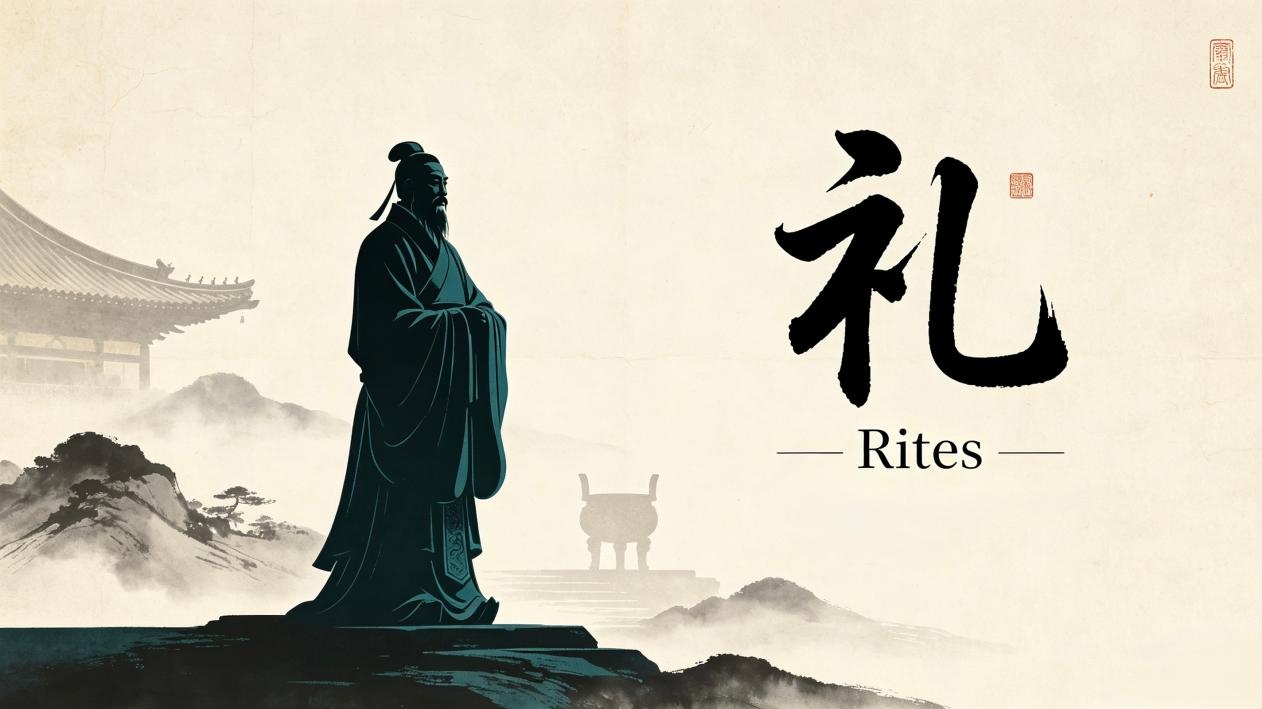
Li (rites), often translated as rites, ritual propriety, or social norms, originally referred to the worship of deities. In the early stages of human history, such worship primarily took place within kinship clans. At ritual ceremonies, the seating arrangements and ceremonial procedures had to be determined according to seniority, giving rise to the rudiments of Li.
Over time, these ritual practices gradually evolved into social etiquettes. Through centuries of refinement, they became norms of conduct from which moral principles were cultivated. Thus, Li became an integral aspect of ethics and morality.
Confucius placed great importance on the role of Li. He believed that governing a state according to Li would discourage crime, cultivate a sense of honor and shame among the people, and encourage willing obedience.
In political life, rulers should treat their ministers with propriety in accordance with Li while ministers should serve their rulers in the same spirit.
In self-cultivation, the study of ritual texts is indispensable—without learning Li, one cannot establish oneself in society. Li refines character and guides personal development.
In family life, birthdays, funerals, and ancestral offerings should all be conducted in accordance with Li. Only then can one be regarded filial.
Even virtues must be moderated by Li: respectfulness without Li becomes burdensome; caution without Li leads to timidity; courage without Li invites trouble; and straightforwardness without Li hurts others through excessive bluntness.