Tiger Tally: A Bronze Key to Ancient Armies
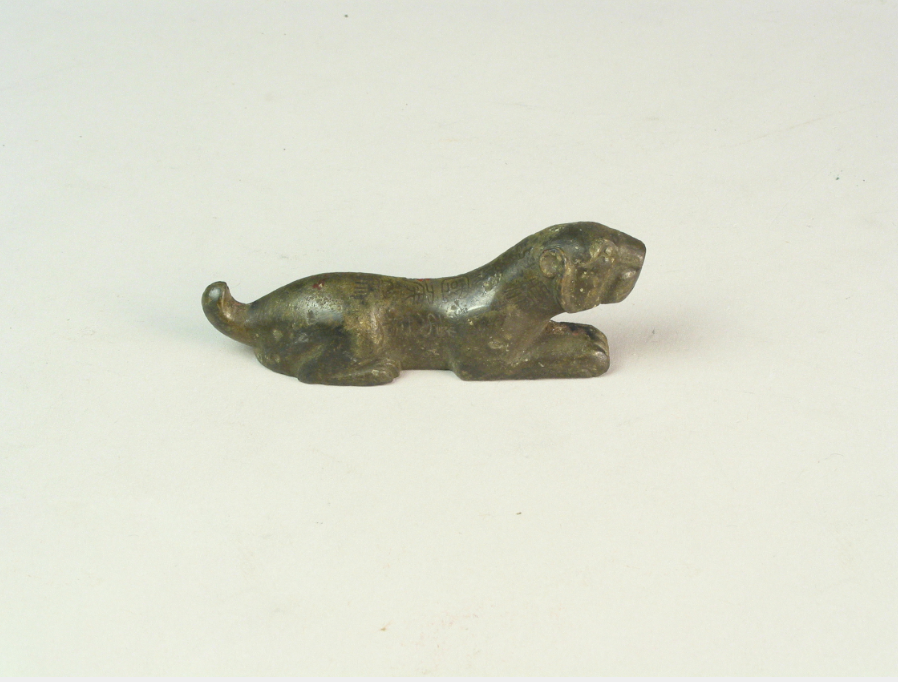
If power could be given a physical form in ancient China’s Warring States period (475–221 BC), it might have looked like this: a small bronze tiger, fitting snugly in one’s palm. The Warring States-period bronze tiger tally of the Marquis of Anguo, held by the Liaoning Provincial Museum, is precisely such an object—a military credential that is small in size but monumental in authority.
Measuring a mere 7.8 cm, this tally is cast in the form of an alert, crouching tiger. Its body is coiled with tension, head raised, and tail held high, capturing the instant before it springs into action. On its back are inscribed nine ancient characters in seal script: “For the Marquis of Anguo; Tiger Tally Number Three.” This was its official ID, specifying its owner and its place in a numbered set.
The genius of the tiger tally lay in its two-part design. The emperor held the right half; a military commander held the left. To issue an order, an imperial messenger had to carry the right half to the commander's camp. The two halves were then joined together. Authentication was physical and meticulous. For the order to be valid, the halves had to match perfectly—not just in shape and inscription, but also in a unique interlocking mechanism on the back. It was essentially a physical two-step verification system from antiquity, designed to stop forgeries and prevent generals from moving troops without authorization.
The tiger was a deliberate and powerful symbol. In ancient Chinese belief, the tiger represented military strength, supreme authority, and decisive action—making it the perfect symbol for an army. Casting the authority to command troops into the form of this powerful predator added immense psychological weight to the object.
Though it was a functional tool, the tally is also a masterpiece of sculpture. The artisan captured the tiger's formidable presence, merging raw animal power with the solemn authority of an imperial decree.