Maqiu: The Noble Sport of China’s Tang and Song Dynasties
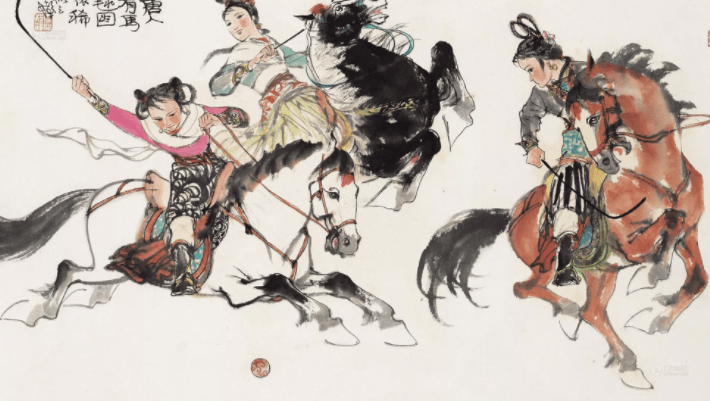
Imagine a mix of polo, horse racing, and elite socializing—that was maqiu (polo) in ancient China. Popular during the Tang (618–907) and Song (960–1279) dynasties, this thrilling equestrian game was a favorite pastime of emperors, scholars, and nobles, much like golf or tennis among today’s aristocrats.
Picture this: Players on sleek horses, wielding long-handled mallets to strike a wooden ball toward goals, while spectators in silk robes cheered from pavilions. The Tang emperor Xuanzong was famously obsessed, even establishing an imperial maqiu team. It wasn’t just sport—it was diplomacy. Foreign envoys playing maqiu with Chinese elites symbolized cultural exchange, akin to modern international business networking over cocktails.
Maqiu also mirrored social hierarchy. Only the wealthy could afford horses and training. Though the sport faded after the Song Dynasty, its legacy lives on in modern polo’s global popularity—and in China’s rich sporting history.
For outsiders, think of it as the cricket of ancient China—exclusive, strategic, and steeped in prestige. A window into a time when horsemanship and nobility went hand in hand.