Beyond Dragons and Lions: The Grace of the Kirin Dance
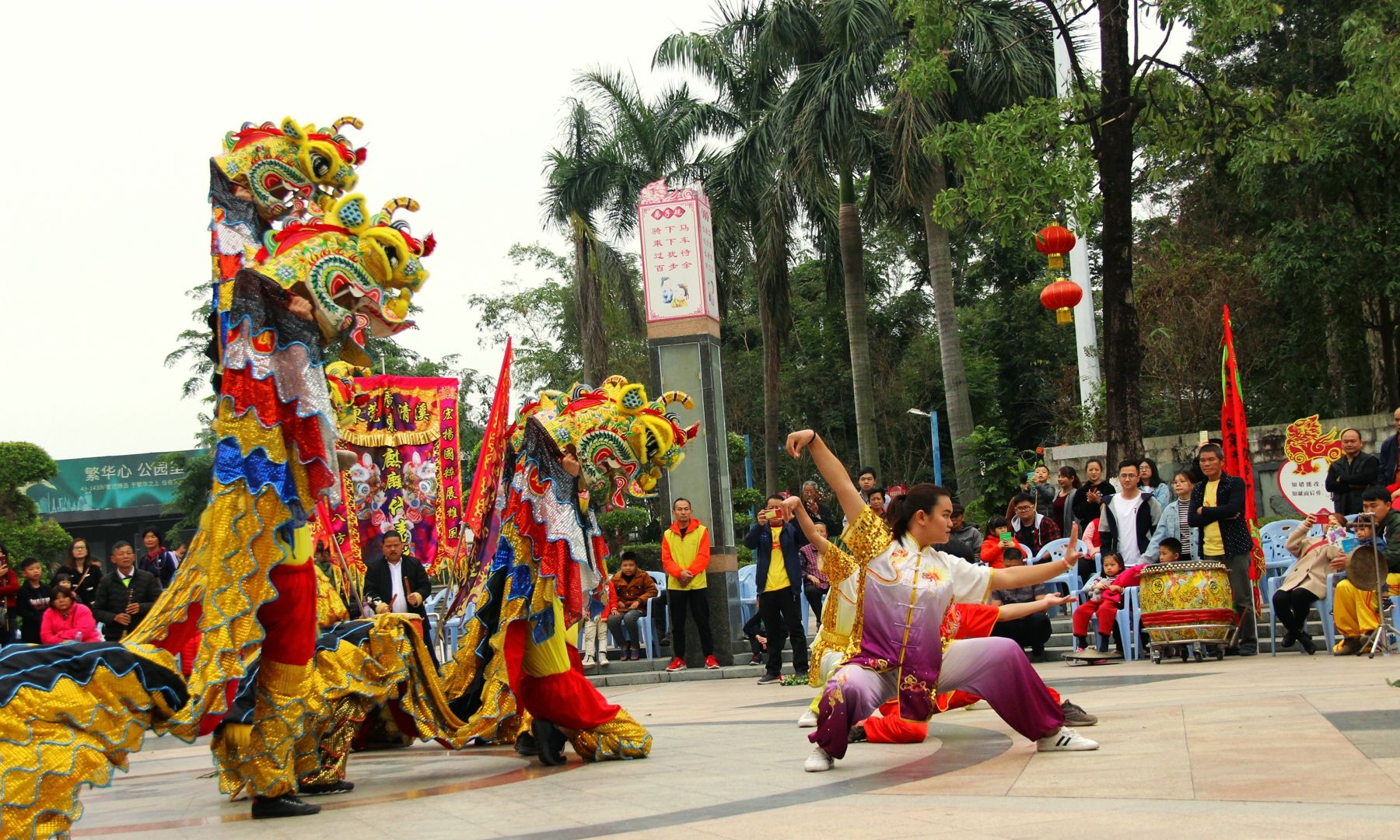
In Chinese culture, dragons and lions often steal the spotlight in festive performances, but another majestic creature—the kirin (qílín)—holds deep symbolic meaning. Often called the Chinese unicorn, the kirin is a hybrid beast with a deer’s body, dragon-like scales, and a flowing mane. Unlike the fierce energy of dragons or lions, the kirin represents peace, wisdom, and good fortune, appearing only in times of harmony.
The Kirin Dance (舞麒麟, wǔ qílín) is a traditional performance, especially popular in southern China’s Guangdong and Fujian provinces. Dancers wear elaborate kirin costumes, moving with delicate steps to drums and cymbals. The dance is often performed during Lunar New Year or weddings, symbolizing blessings for prosperity and family harmony. For example, in rural villages, elders recall how the Kirin Dance was once a key part of village celebrations, much like how ballet or parades mark special occasions in the West.
Though less known globally than dragon dances, the Kirin Dance reflects China’s rich folklore. Its gentle yet powerful presence offers a unique window into values like balance and hope—similar to how the phoenix in Western myths symbolizes rebirth. Exploring such traditions reveals the depth and diversity of Chinese heritage beyond the more familiar lion and dragon performances.