Weiqi: The Ancient Game of Go
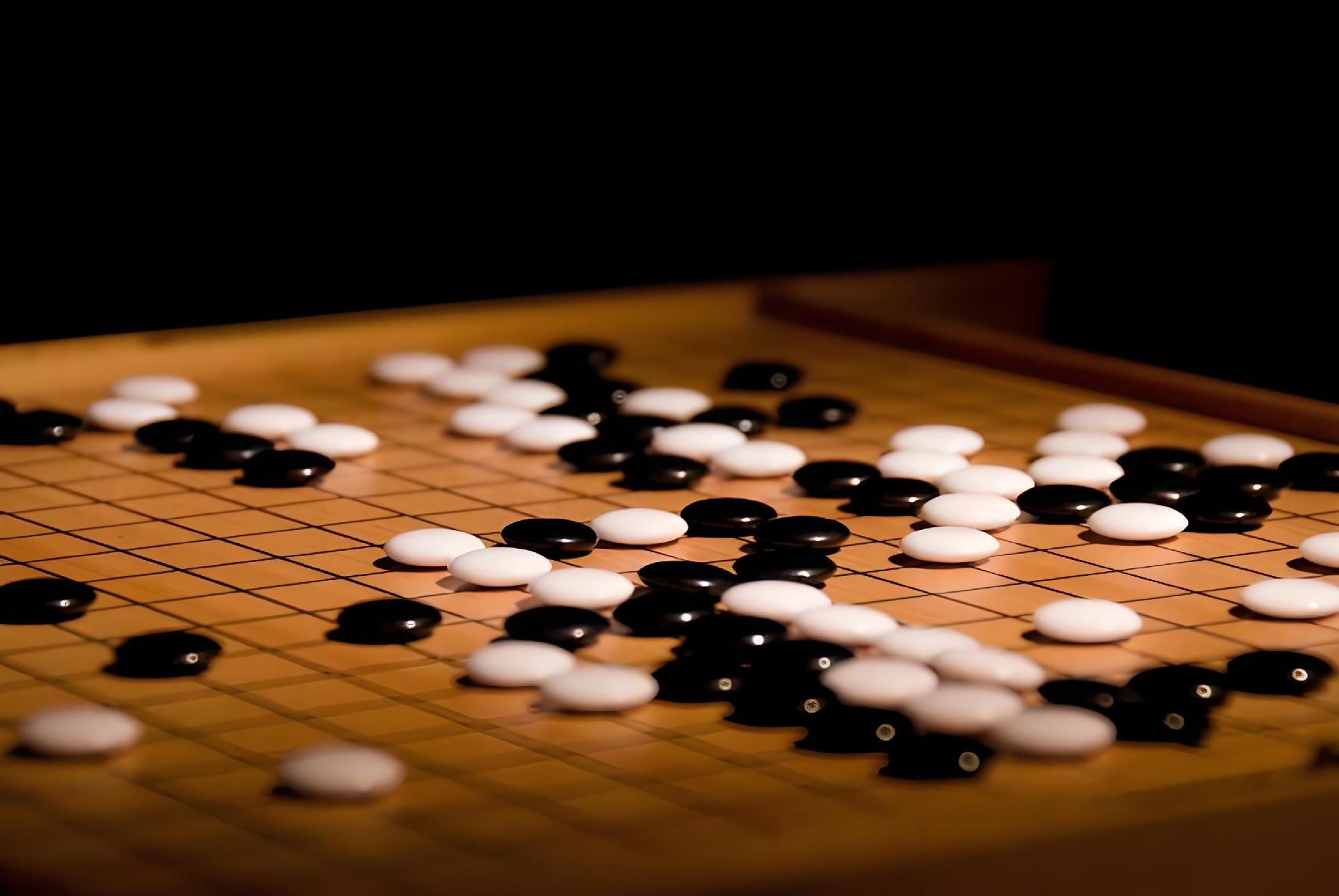
Weiqi (围棋), known internationally as Go, is one of the oldest board games in the world, with a history in China stretching back more than three thousand years. Played on a grid of nineteen by nineteen lines, the game involves two players taking turns placing black and white stones, each trying to surround and capture the other's pieces while claiming as much territory on the board as possible.
Despite its simple rules, Weiqi offers virtually unlimited strategic depth, with more possible game positions than atoms in the observable universe. Ancient Chinese philosophers admired it as a reflection of the cosmos itself — the black and white stones echoing the eternal balance of yin and yang, while the interplay of attack, defense, and sacrifice mirrors the larger complexities of life, diplomacy, and warfare.
Throughout Chinese history, Weiqi was considered one of the four essential arts of the cultivated scholar, alongside the qin (classical zither), calligraphy, and painting. Mastery of the game was seen as a sign of intellectual refinement and strategic wisdom. Emperors, generals, and poets all reportedly enjoyed the game, and it features prominently in classical literature and traditional court culture.
Today, Weiqi enjoys a global following, particularly in East Asia, and has experienced a surge of international interest following the dramatic rise of artificial intelligence players like AlphaGo. In China, the game is taught in schools and supported as a national cultural tradition, celebrated not just as a competition but as a living philosophical practice connecting players to thousands of years of history.