Polo – The No. 1 Sport of the Tang Dynasty
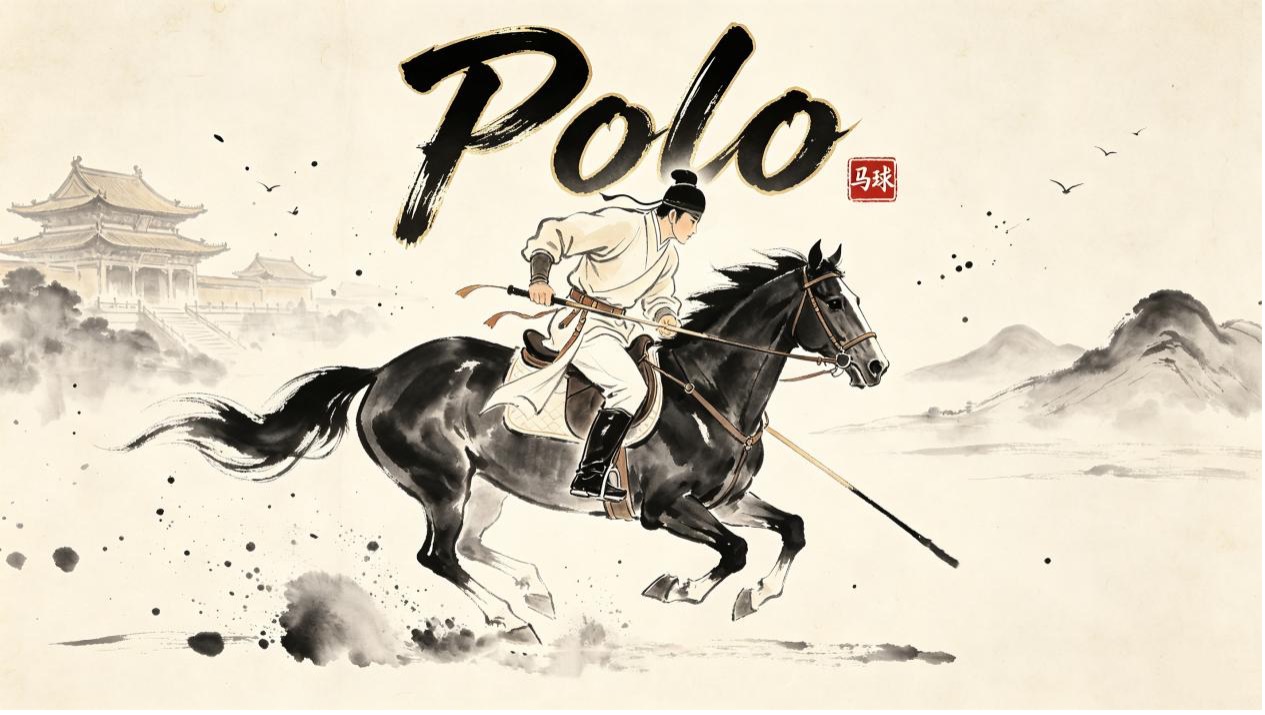
Polo, also known as jiju (literally, "striking the ball") in ancient China, is a ball game in which players on horseback use long-handled mallets to drive a ball into a goal. It first emerged during the Han dynasty, reaching its peak during the Tang and Song dynasties. As early as the 3rd century AD, the Eastern Han poet Cao Zhi had already written verses describing polo in his poem Mingdu Pian.
Originally, polo was used as a military training exercise for cavalry, and later it gradually spread to the civilian population. The Tang era favored light cavalry, and polo was considered the best way to train horsemanship. For this military purpose, the sport flourished throughout the Tang period.
Another reason for polo's rapid development in the Tang dynasty was the strong support and enthusiasm of the ruling class. Most Tang emperors and royal nobles were fond of polo. Many emperors personally took to the field to play, and several polo grounds were built within the imperial palace exclusively for their use.
Polo also played a significant role in cultural exchanges with foreign nations. According to historical records, neighboring states such as Balhae, Goryeo and Japan all had accounts of engaging in polo competitions with the Tang court.