Shuttlecock Kicking: The 2,000-Year-Old Game That's Still a Hit
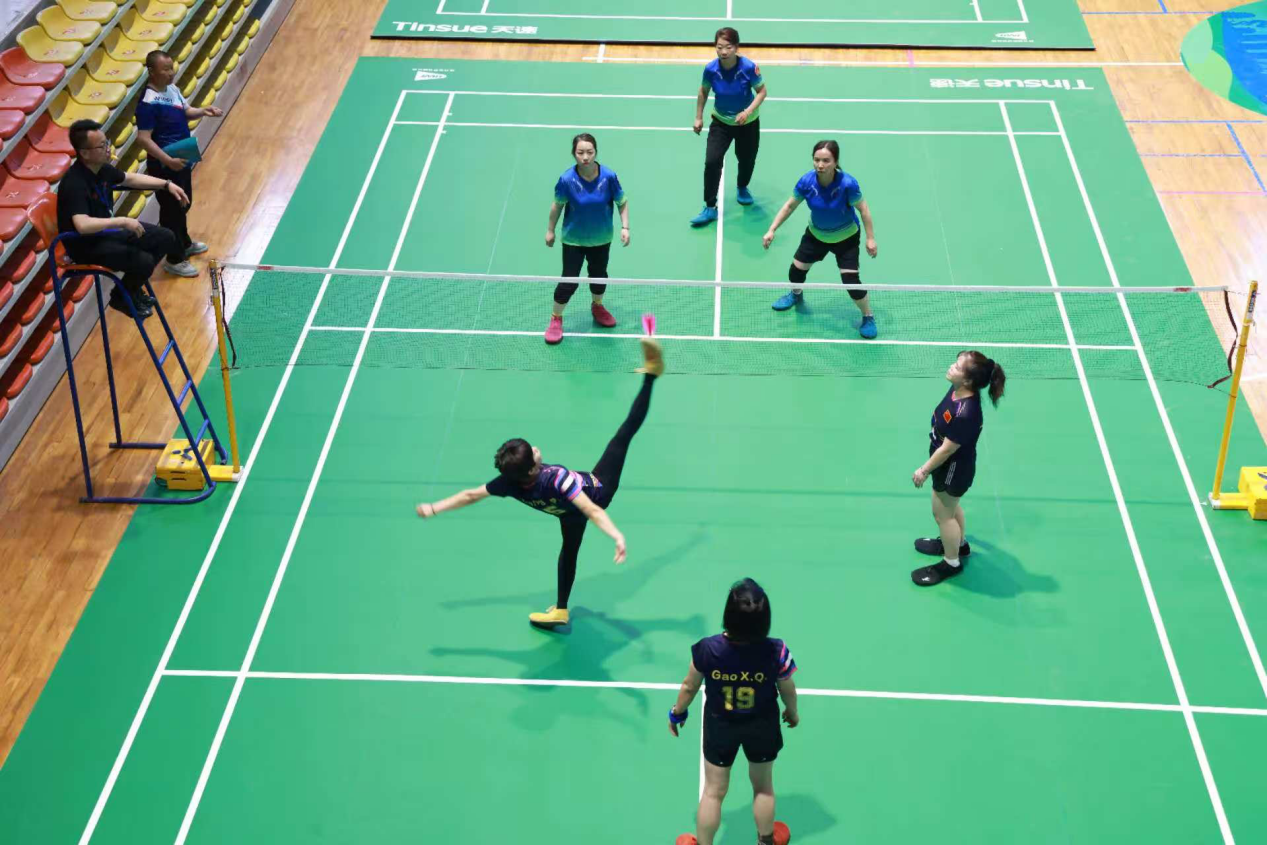
If you visit a park or walk through a hutong in a Chinese city, you may see a group of people standing in a circle, kicking a colorful little object back and forth with their feet. That's a shuttlecock. Shuttlecock kicking is one of China's oldest and most popular traditional folk sports, with a history of more than 2,000 years.
The origins of shuttlecock kicking can be traced back to the Han Dynasty (202 BC–AD 220). Many believe it evolved from cuju, an ancient Chinese form of football. Cuju was originally used as a military training exercise before gradually spreading among the general public, where the game became simpler. Instead of a ball as large as a football, people began using feathers and a copper coin to make a smaller, lighter object—the shuttlecock.
By the Sui and Tang dynasties, shuttlecock kicking had become highly popular. During the Ming and Qing dynasties, people in Beijing would take up shuttlecock kicking as autumn turned to winter and the leaves began to fall, using the activity to keep warm. Legend has it that even Consort Jin, a consort of Emperor Guangxu, was an accomplished shuttlecock player.
The rules are simple: just keep the shuttlecock from touching the ground. You can play alone and see how many consecutive kicks you can make, or gather in a circle and pass it from one person to another.
In 2006, shuttlecock kicking was included on China's national intangible cultural heritage list. Today, competitions have spread beyond China, with a World Shuttlecock Championship attracting teams from countries including China, Vietnam, Germany and Hungary.
Among ordinary people, shuttlecock kicking remains one of the most accessible sports around. It requires no expensive equipment or dedicated playing field. A park, residential courtyard or school playground is all you need to get started. For many Chinese people, shuttlecock kicking is more than a childhood memory—it remains one of the most vibrant sights of everyday life in China.