Exploring China’s Ethnic Folk Songs: Mongolian Long Tune and Dong Grand Chorus
China’s rich musical heritage includes vibrant folk songs from its 55 ethnic minorities, each reflecting unique lifestyles and landscapes. Two standout examples are the Mongolian Long Tune (长调) and the Dong Grand Chorus (侗族大歌), both UNESCO-recognized cultural treasures.
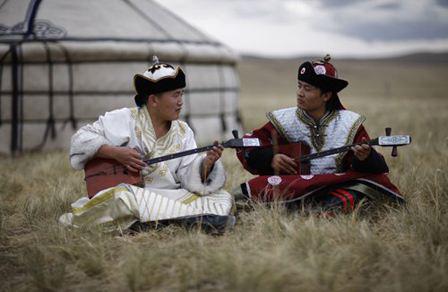
The Mongolian Long Tune, sung by herders on the vast grasslands, features hauntingly melodious, drawn-out notes that mimic the openness of nature. Imagine a cowboy ballad stretching across rolling hills—its themes often revolve around horses, freedom, and the bond with the land. The singer’s breath control creates a resonant, almost instrumental quality, akin to Scottish Gaelic psalms.
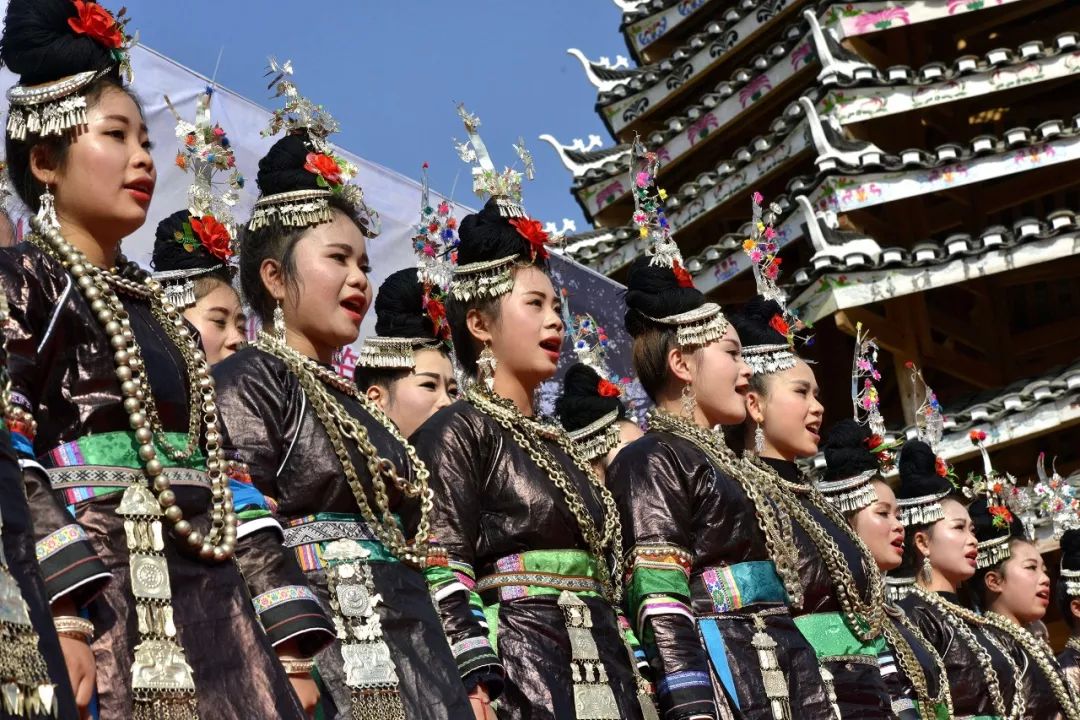
In contrast, the Dong Grand Chorus comes from southern China’s Dong villages, where villagers perform intricate, polyphonic harmonies without instruments. These songs resemble Renaissance-era Western choral music but with a distinct communal spirit—used for rituals, storytelling, or daily life. The Dong people create layered vocal textures, similar to how African gospel choirs weave voices together.
Both traditions highlight how music bridges culture and environment. Just as flamenco reflects Spain’s history, these songs offer outsiders a window into China’s diverse ethnic identities. Listening to them is like tasting regional cuisines: each note carries centuries of tradition.