The Basic Techniques of Chinese Calligraphy
Chinese calligraphy isn’t just writing—it’s an art blending skill and spirit, beloved worldwide for its elegance, much like Western oil painting. For beginners, three core techniques matter most.
Holding the Brush (Zhibi)
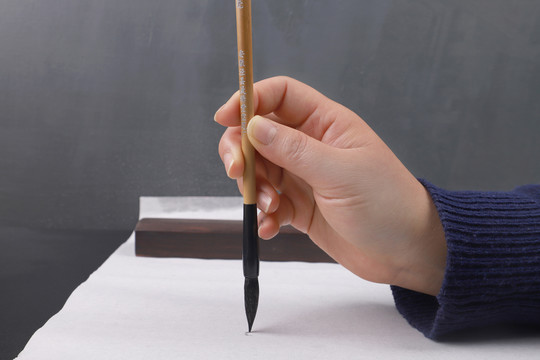
Ditch your pen grip! Hold the brush vertically between thumb, index, and middle fingers, resting it lightly on your ring finger. Keep wrists relaxed—imagine holding a delicate violin bow: firm enough to control, gentle enough not to break it. This “relaxed firmness” is why calligraphers worldwide practice this grip for months; it’s the foundation of fluid lines.
Moving the Brush (Yunbi)
Move your arm, not just fingers! There are four key strokes: horizontal (heng), vertical (shu), left-falling (pie), right-falling (na). Vary pressure—press hard for thick lines, lift for thin ones, like a guitarist plucking strings softly or strongly. Smooth, steady movements create life in lines, just as a painter’s brushstrokes give depth to a landscape.
Character Structure (Jiegou)
Each character has a “blueprint.” Even simple “人” (person) needs balance—its two strokes lean like dancers supporting each other. Think of it as arranging a jazz band: every instrument (stroke) fits to sound harmonious. Good structure is why calligraphy art hangs in galleries globally; it’s beauty anyone can recognize.
These take practice, but they unlock calligraphy’s magic—a universal language of lines.