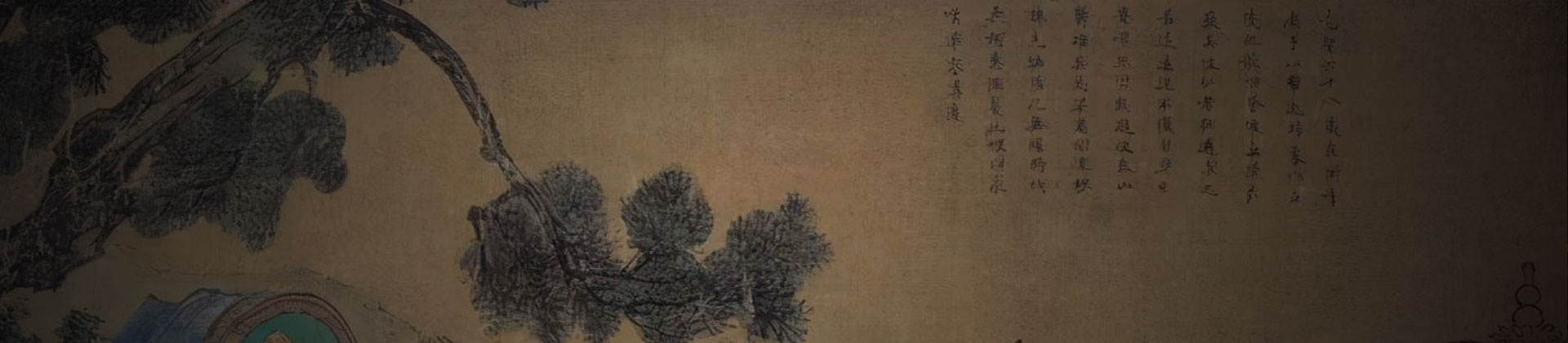
Calligraphy and Scholar Culture: Their Bond in Ancient China
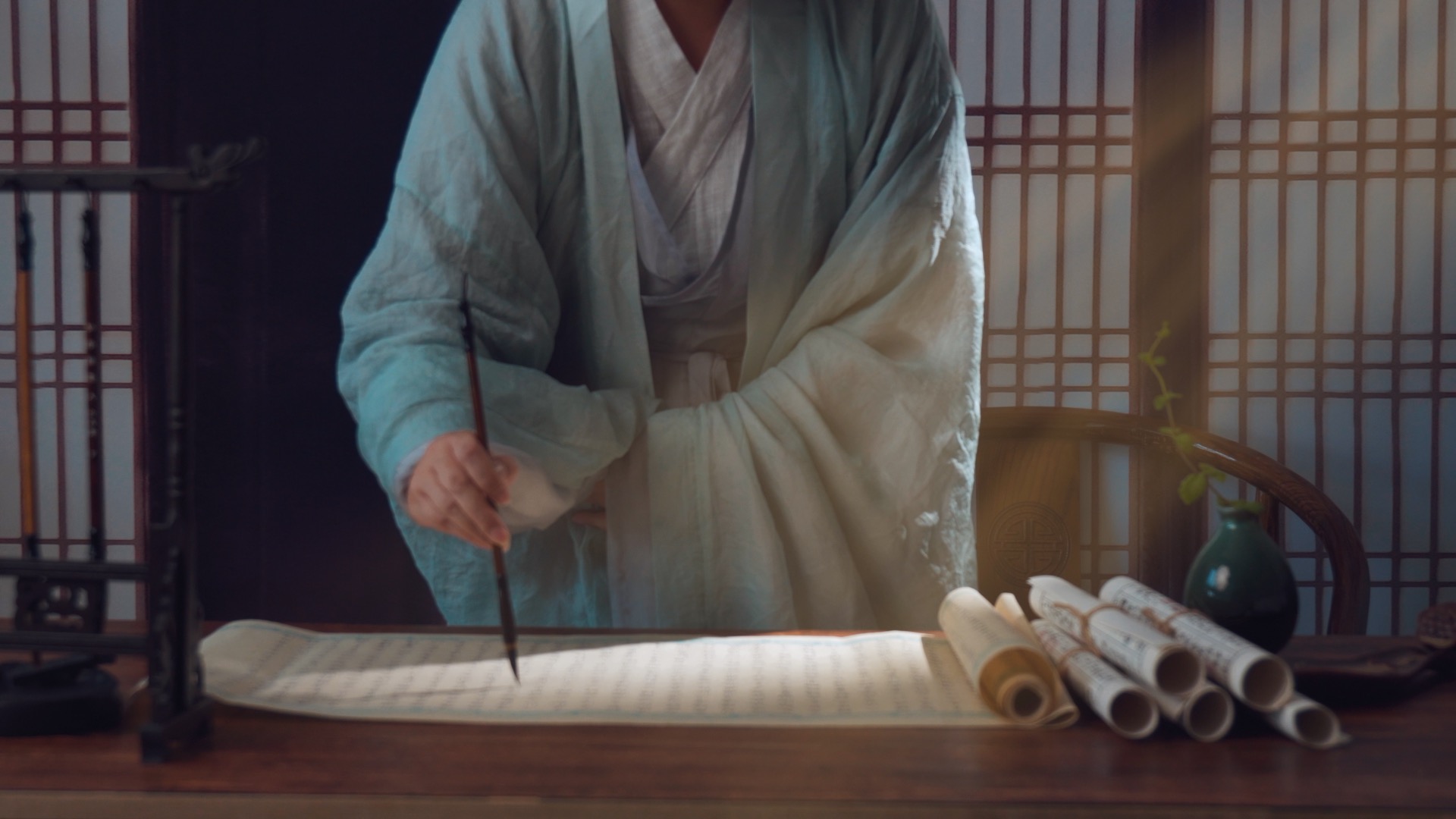
For ancient Chinese scholars (similar to Western intellectuals), calligraphy was more than art—it was a core part of their identity, like how a writer’s unique style defines them.
Calligraphy as a “Scholar’s Mark”
Scholars used calligraphy to express thoughts, just as Western poets use writing. A person’s brushwork showed their character: neat lines meant carefulness, bold strokes showed confidence—like how handwriting hints at personality globally. Unlike professional artists, scholars wrote for joy, not fame, sharing works with friends over tea, much like intellectuals exchanging essays.
A Bridge to Culture and Ethics
Calligraphy linked scholars to Confucian values. Copying classic texts (like the Analects) in calligraphy helped them learn ethics, similar to how reading great books shapes Western scholars. It also blended with other arts: a scholar might paint a landscape, then add calligraphy poems—just as an artist might pair a painting with a story. This mix made calligraphy a heart of scholar culture, tying learning, art, and life together.
To outsiders, it’s like a scholar’s “second voice”—simple to appreciate, even without knowing the words.