Suzhou Keshi Silk Weaving Technique
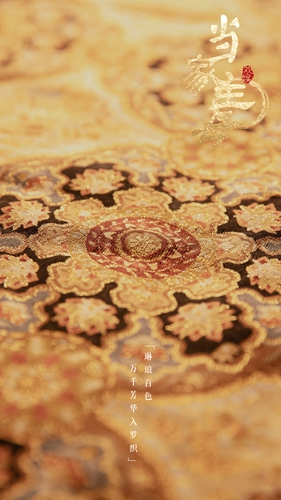
Keshi is an ancient silk weaving technique originating in Suzhou, China. Using wooden looms and bamboo shuttles, artisans create intricate patterns by interlacing colored silk threads ("warp passing, weft cutting"). The resulting fabric has no distinct front or back, with designs appearing carved due to slight gaps between color blocks—hence the name "Keshi" (meaning "carved silk").
Dating back to the Southern Song Dynasty (1127–1279), Suzhou’s Keshi reached its peak during the Ming Dynasty, producing imperial dragon robes and portrait tapestries. The Qing Dynasty saw innovations like combined weaving and painting techniques.
Nearly extinct in the mid-20th century, Keshi was revived through replicating historical works. By the 1980s, Suzhou housed five Keshi factories, creating masterpieces like the double-sided ‘Butterflies, Peonies, and Camellias’ and ‘Longevity Figure’, now considered national treasures.
Renowned as the "holy grail of weaving," Keshi combines durability with artistic elegance. However, due to time-consuming production and high costs, few young artisans practice it today, necessitating urgent preservation efforts.