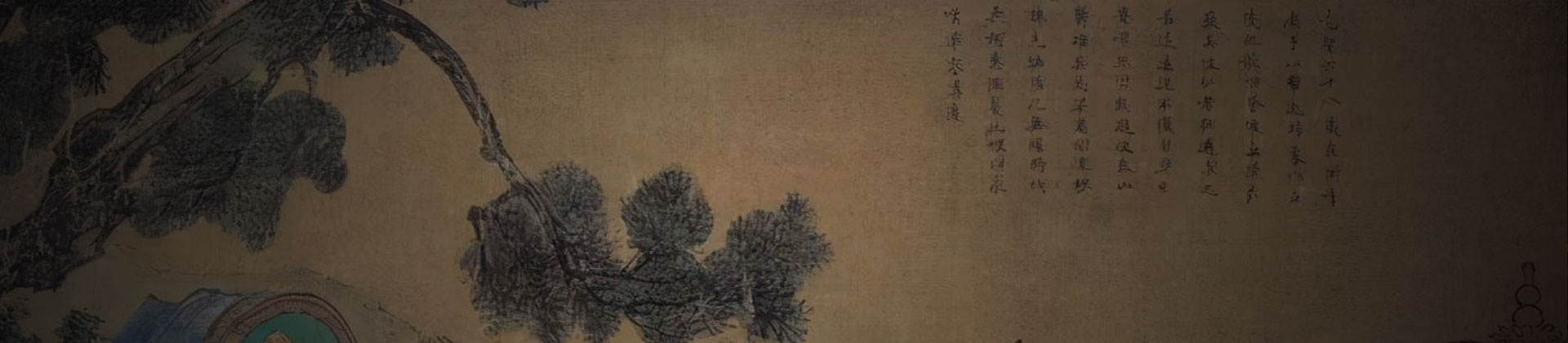
A New Account of the Tales of the World

A New Account of the Tales of the World, known in Chinese as Shishuo Xinyu (世说新语), was compiled in the fifth century under Liu Yiqing, a prince and scholar of the Liu Song dynasty. It gathers brief anecdotes about officials, scholars, poets, and eccentrics from the late Han through the Wei-Jin period. Rather than telling a continuous history, it preserves striking moments: a clever reply, a strange habit, a political judgment, a friendship, or a farewell. These short scenes offer vivid portraits of elite life during an age of division and cultural change.
The book is arranged in thirty-six thematic sections, including Virtuous Conduct, Speech and Conversation, Literature, Magnanimity, and Eccentricity. Many entries focus on qingtan, or "pure conversation," in which educated men debated philosophy, character, and taste. A few lines can reveal a person's wit, courage, pride, or sensitivity. This compressed style leaves much unsaid, inviting readers to imagine the setting and judge the characters for themselves.
The work is especially famous for shaping the image of the Wei-Jin "men of distinction." Figures such as Wang Xizhi, Xie An, and the Seven Sages of the Bamboo Grove appear not only as historical names but as memorable personalities. Their elegant speech, unconventional behavior, and resistance to rigid etiquette later inspired poetry, painting, drama, and popular stories. Yet the text also records rivalry, prejudice, and political danger beneath the surface of refined conversation.
Today, the book remains valuable as both literature and cultural history. Its anecdotes are concise, humorous, and surprisingly modern in their attention to personality. They show how people used language, manners, and style to define themselves in uncertain times. More than a collection of old gossip, Shishuo Xinyu is a gallery of human character, capturing flashes of intelligence, emotion, and individuality across the centuries.