The Artistic Charm of Local Chinese Music: Suzhou Pingtan and Jingyun Dagu
China’s traditional storytelling music, known as quyi, offers a fascinating glimpse into the country’s cultural soul. Two standout forms—Suzhou Pingtan (from Jiangsu) and Jingyun Dagu (from Beijing)—blend narrative, melody, and regional flair, much like how jazz or flamenco reflect their local roots.
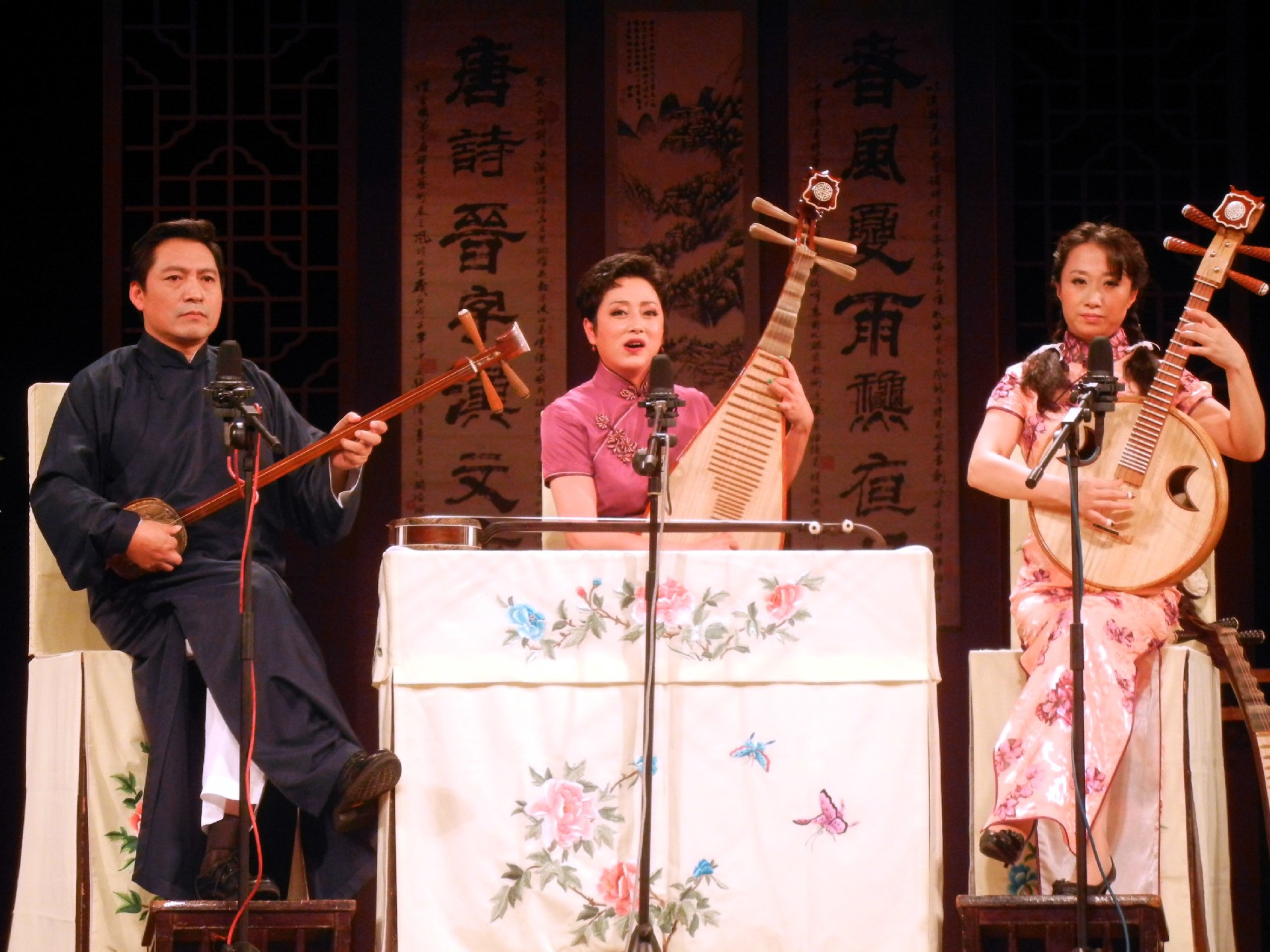
Suzhou Pingtan, performed with a pipa (lute) or sanxian (three-stringed instrument), features delicate vocals and intricate rhythms. Imagine a French chanson sung in a soft Jiangnan dialect, often recounting classical tales or daily life. Its elegance mirrors the canals and gardens of Suzhou itself.
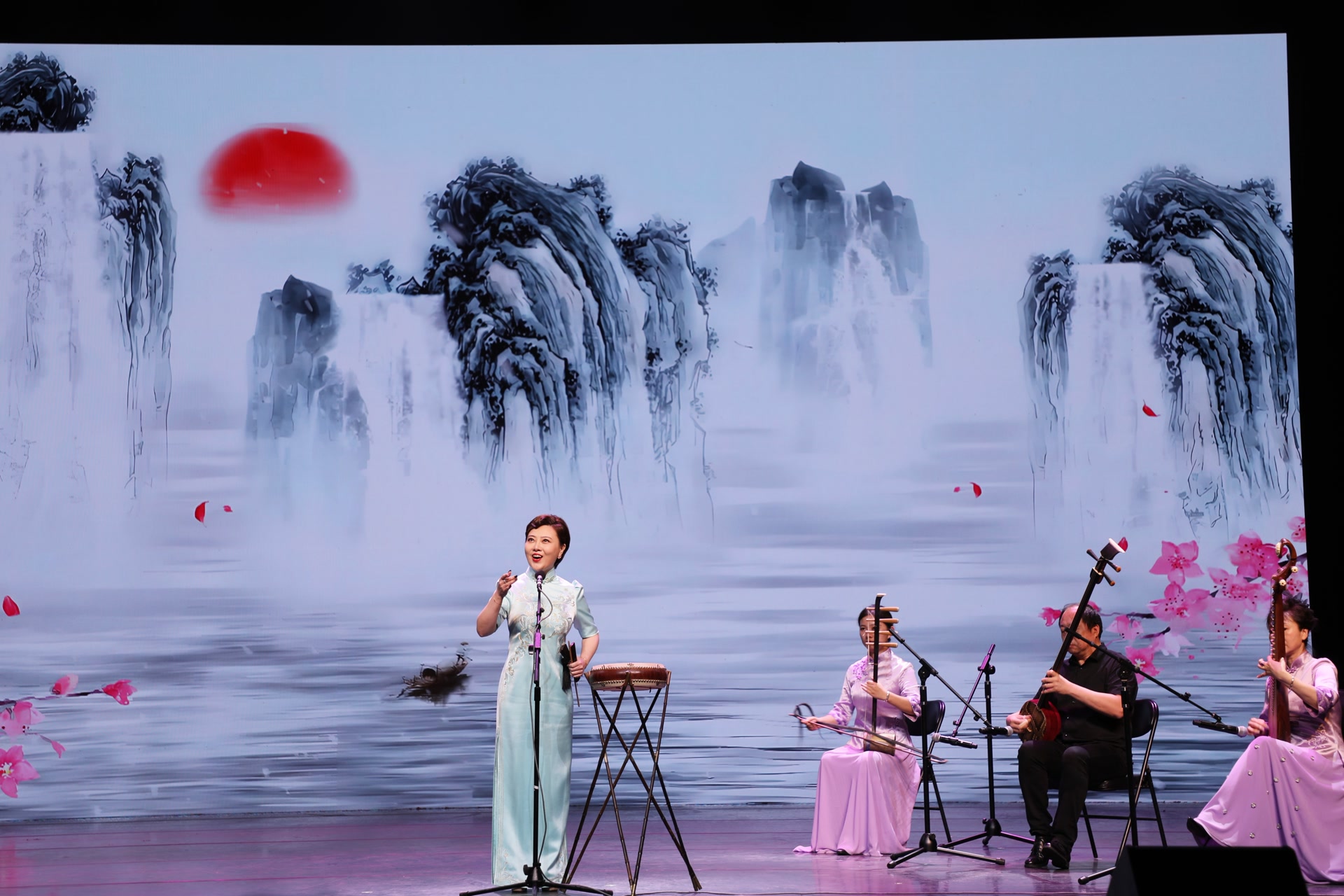
In contrast, Jingyun Dagu is bold and rhythmic, with powerful drumbeats and deep-pitched storytelling. Picture a spoken-word performance set to drums, akin to beat poetry but rooted in Qing Dynasty ballads. It thrived in Beijing teahouses, captivating audiences with heroic epics.
Both art forms face modern challenges but remain vital. Like opera in Italy or bluegrass in the U.S., they’re not just entertainment—they’re living histories. Visiting a performance, you’ll hear how China’s past speaks through melody—a bridge between tradition and today.