Dong Grand Song: The Sound of the Forest
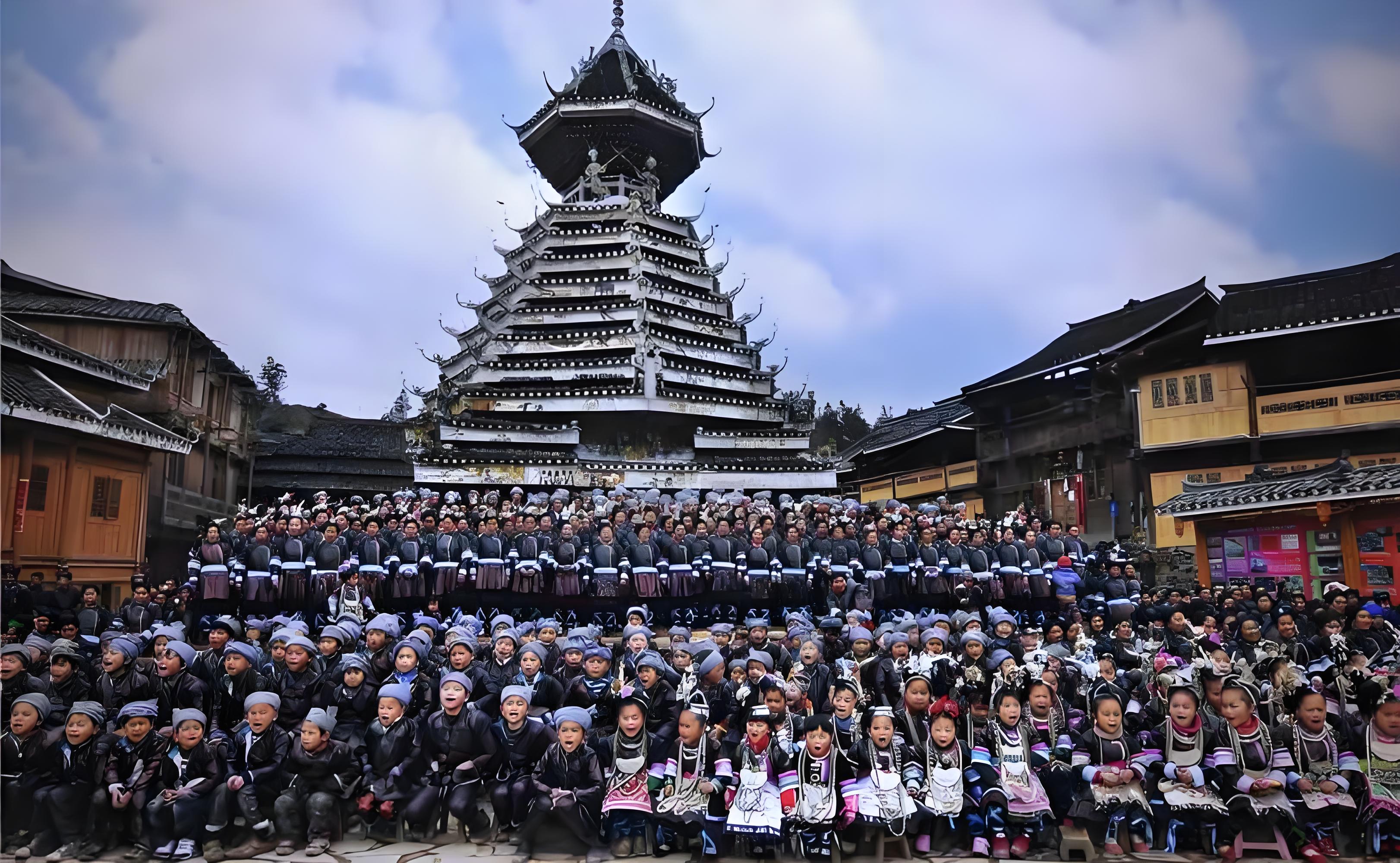
Deep in the mountains of Guizhou, Guangxi, and Hunan provinces, the Dong people (侗族) have preserved one of the most extraordinary musical traditions in the world. Dong Grand Song (侗族大歌) is a form of polyphonic choral singing performed without instrumental accompaniment. Multiple voice parts weave together to create rich, layered harmonies that imitate sounds of nature — flowing water, singing insects, rustling wind through forest. In 2009, it was inscribed on UNESCO's Representative List of the Intangible Cultural Heritage of Humanity.
What makes Dong Grand Song remarkable is that it is one of the very few part-singing traditions in Chinese folk music. While most Chinese folk songs are monophonic — one melody, one voice — Dong Grand Song features two or more independent vocal lines sung simultaneously. There is no written score; the songs are entirely oral, passed down through community singing in the drum tower (鼓楼), the central gathering place of every Dong village.
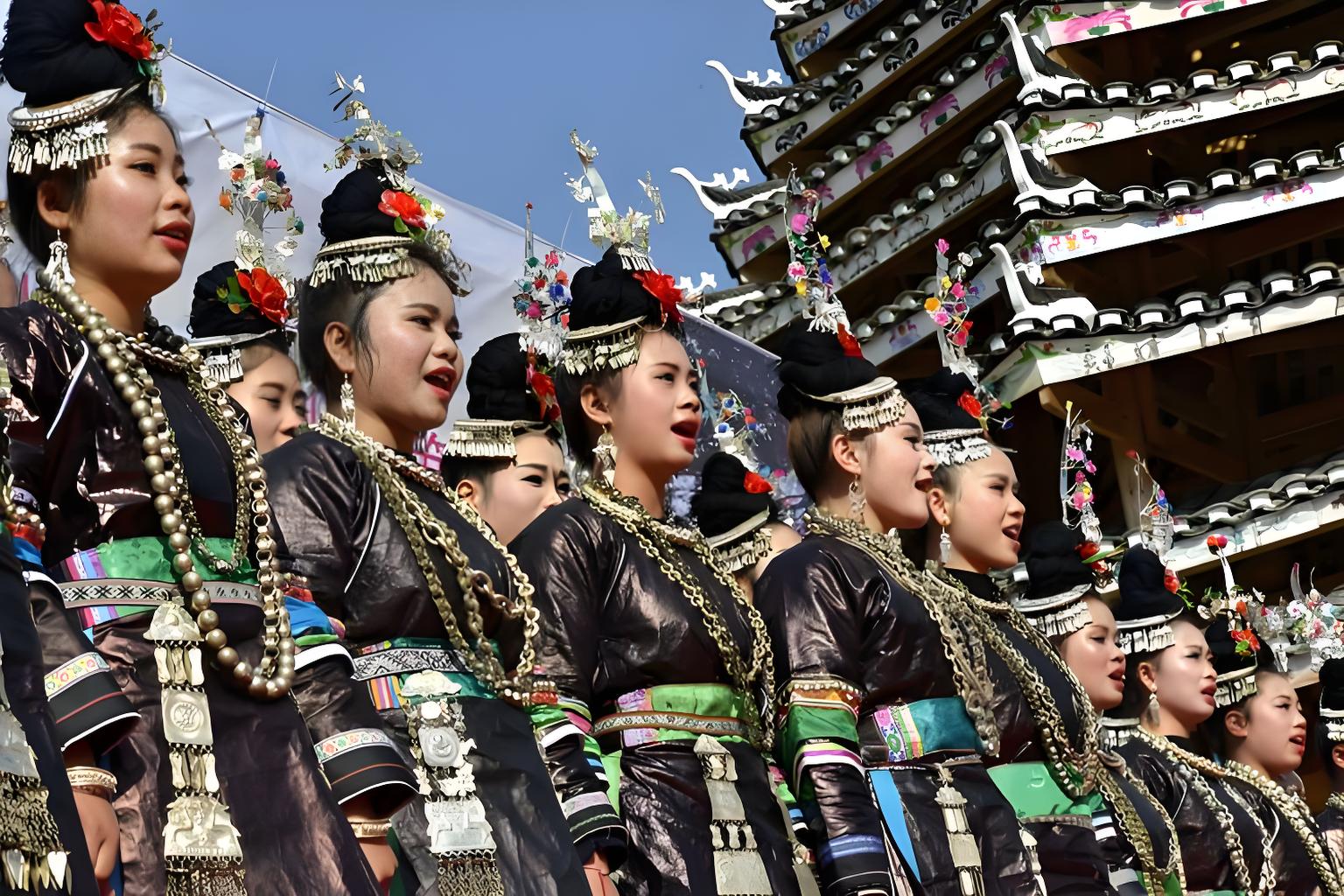
The songs cover a wide range of themes: praise for nature, harvest celebrations, love songs between young men and women, and reflections on daily life. Performances take place during festivals and important social occasions, with choirs of men and women sometimes singing in response to each other. The lead singer carries the melody while others provide harmonic support, creating a sound that is both ancient and hauntingly beautiful.
Dong Grand Song is more than music — it is a way of transmitting culture, values, and identity. Learning to sing is considered essential to growing up in a Dong community, and the tradition binds villages together across generations. As younger people move to cities for work, efforts to document and teach Dong Grand Song have become increasingly urgent, ensuring this rare musical heritage is not lost.