Mongolian Urtiin Duu (Long Song)
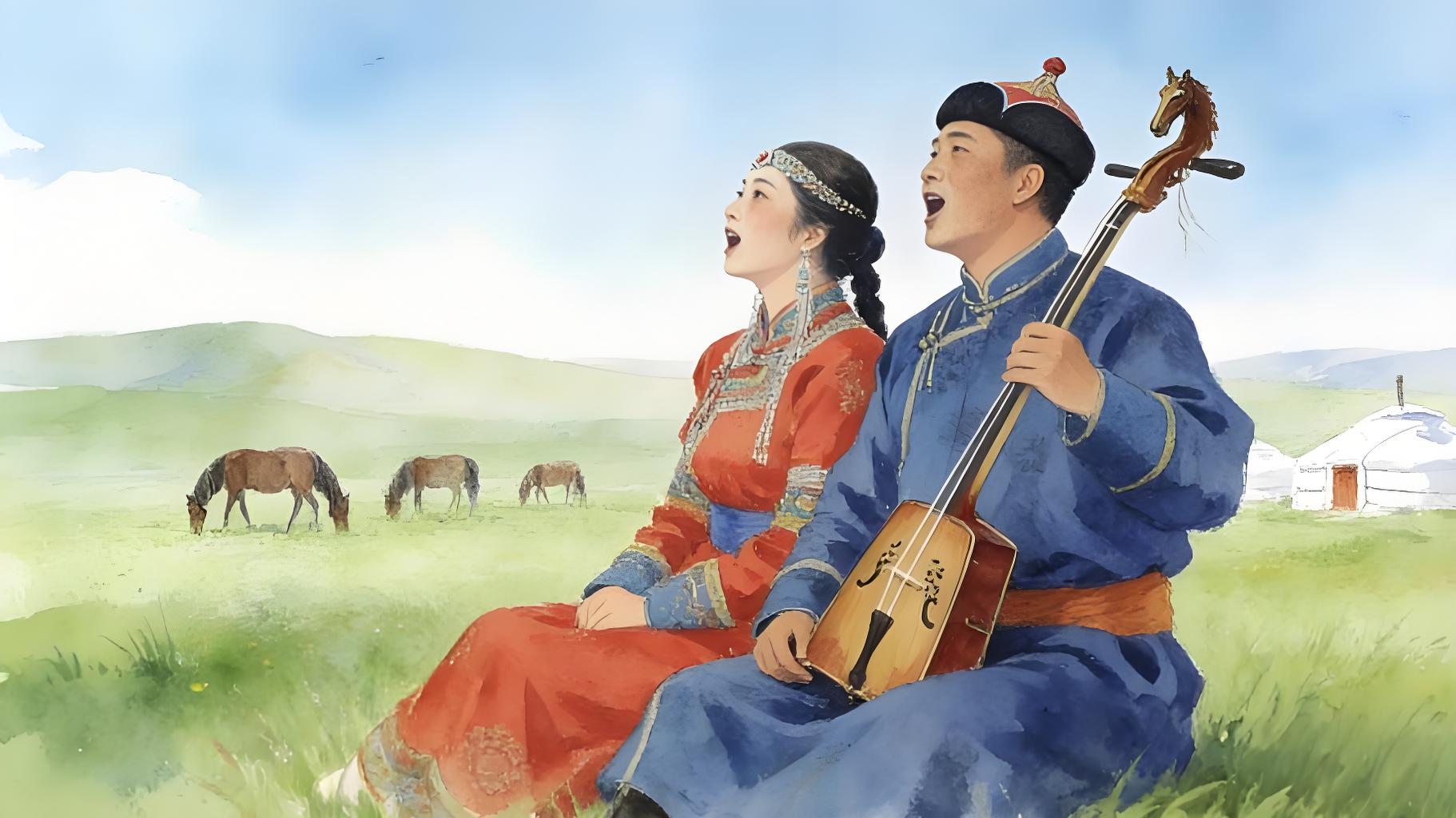
Mongolian long song, known as Urtiin Duu (长调), is a traditional vocal art form performed by Mongolian herders living on the vast grasslands of northern China and Mongolia. Recognized by UNESCO as part of the Intangible Cultural Heritage of Humanity, it is considered one of the oldest and most distinctive musical traditions associated with nomadic herding life on the steppe.
What makes Urtiin Duu so unique is its slow tempo, free rhythm, and extremely long, sustained notes that can stretch a single syllable across many seconds. Singers use a special vocal technique, sometimes involving subtle vibrato, that mimics the rolling hills, open skies, and distant calls of animals, creating a sound that feels both deeply personal and as vast and open as the grassland itself.
Traditionally, long songs were sung while herding livestock on horseback, during weddings, or when welcoming honored guests into a yurt with a bowl of warm milk tea. Themes often celebrate horses, family bonds, homeland, and the changing seasons, expressing the herders' close relationship with nature and their nomadic way of life, passed down orally from generation to generation without any written musical notation.
Although fewer young people grow up herding today, Urtiin Duu remains a powerful symbol of Mongolian cultural identity in China. It is taught in specialized music schools, performed at grassland festivals, and increasingly combined with modern instruments and stage productions, helping this ancient and soulful grassland voice continue to resonate with audiences both at home and around the world today, carrying the spirit of the steppe far beyond its grassland origins.