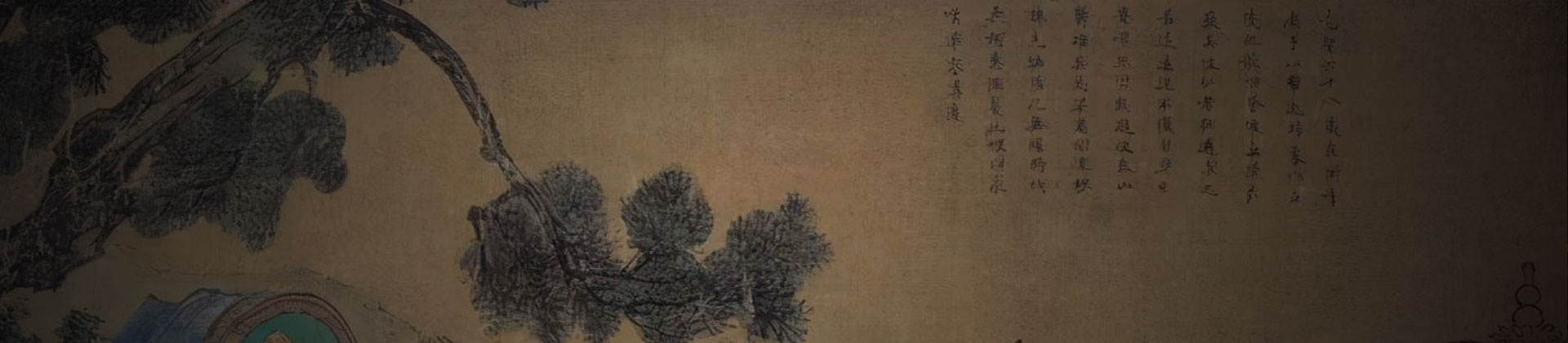
Golden Bell – A Song Dynasty Guqin Across a Thousand Years

Have you ever wondered whether a musical instrument could survive for a thousand years?
Hidden in the Palace Museum in Beijing is just such an instrument—a guqin named Golden Bell. Crafted during the Song Dynasty (960–1279), it is now nearly a thousand years old.
The Golden Bell is made in the Zhongni style, a classic guqin design named after Confucius' courtesy name, Zhongni. Favored by Song Dynasty scholars, this elegant form is known for its graceful proportions and understated beauty. Measuring 115.7 centimeters in length, the instrument has a long, slender body that evokes the quiet elegance of a refined scholar dressed in plain robes.
A closer look reveals a body coated in glossy black lacquer. Beneath the lacquer are layers of deer-antler ash ground and ramie cloth, a traditional construction that gives the instrument both structural strength and a clear, resonant tone. The soundboard originally featured thirteen hui position markers made of mother-of-pearl. Today, only four remain, their gentle luster still undiminished by the passage of time.
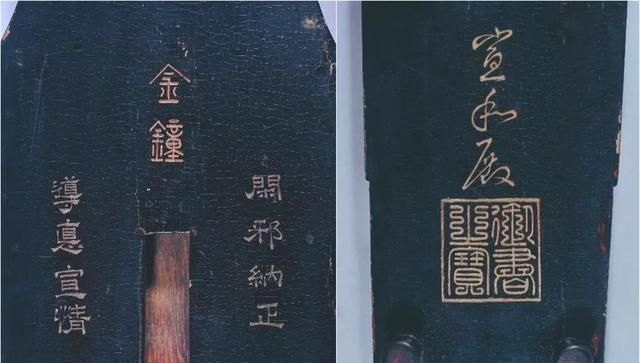
What makes this guqin especially remarkable are the inscriptions on its back. Originally gilded in gold, most of the gold leaf has long since worn away, yet the characters themselves remain clearly legible. Above the dragon pool—the upper soundhole—are the two seal-script characters "Golden Bell", written with rounded yet powerful strokes. Flanking the soundhole are two lines in clerical script reading, "Ward off evil, embrace virtue; cultivate moral character and give voice to genuine feeling." Below the soundhole appear the cursive-script characters "Xuanhe Hall", together with the imperial seal "Treasure of the Imperial Hand". These inscriptions tell us that this guqin was once treasured in the imperial palace of the Northern Song Dynasty and cherished by the emperor himself.
This is the Golden Bell. Neither ornate nor ostentatious, it has journeyed through nearly a thousand years, passing from one dynasty to another and from the imperial court to today's museum. In its quiet presence, it preserves the spirit of Song literati, the refined aesthetics of the imperial court, and the extraordinary craftsmanship of the artisans who created it.
If you ever visit the Palace Museum, take a moment to stand before it. Perhaps, if you listen closely, you might hear it whisper stories of a distant and elegant age.