The Suona: China's Boldest Folk Instrument
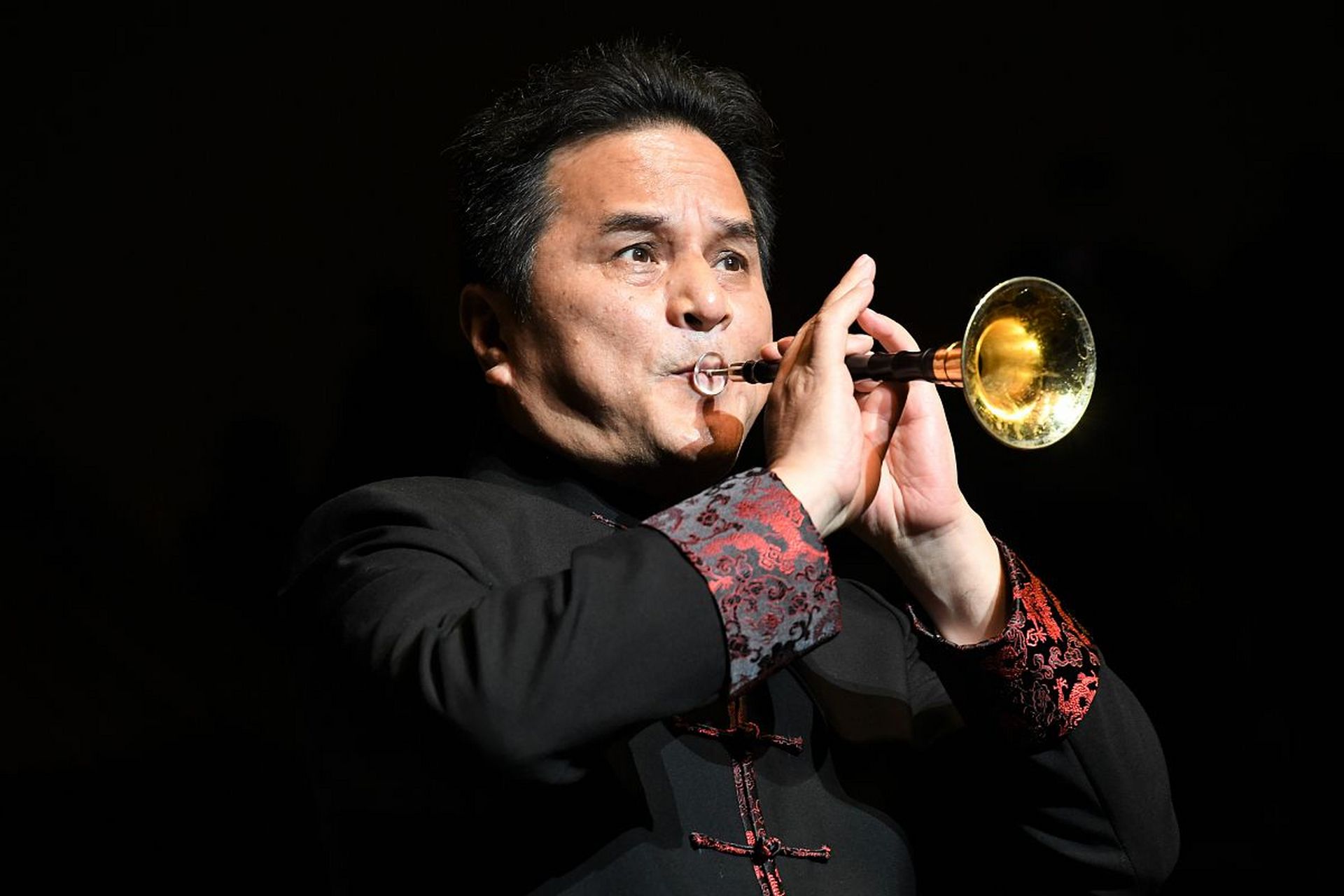
The suona (唢呐) is one of the loudest and most emotionally powerful instruments in Chinese folk music. With a wooden body, a metal bell, and a double reed mouthpiece, it produces a penetrating, brassy sound that can carry across open fields and village squares. For centuries, the suona has been the centerpiece of outdoor celebrations and ceremonies, heard at weddings, funerals, harvest festivals, and temple fairs across rural China.
What makes the suona so captivating is its extraordinary expressive range. A skilled player can mimic the sound of crying, laughter, birdsong, and even human speech, bending and sliding between notes with startling flexibility. In the hands of a master, it can shift from jubilant and raucous to heartbreakingly mournful within a single performance, making it equally at home celebrating a new marriage or sending off the deceased with dignity.
The instrument has roots stretching back over two thousand years in China, with earlier forms arriving via Central Asia along the Silk Road. Over time it was absorbed into Chinese folk traditions and became inseparable from the sound of village life. Regional styles vary widely: northern suona playing tends to be bold and forceful, while southern styles can be more ornate and melodically complex.
In recent years, the suona has enjoyed a cultural revival, with young musicians reimagining it in jazz, rock, and pop contexts. A viral video of a suona player performing a spirited rendition of a pop song introduced the instrument to millions of new listeners online. Today, the suona stands as a symbol of grassroots Chinese musical culture — raw, vibrant, and impossible to ignore.