The Soul of Chinese Architecture: The Mortise-and-Tenon Joint
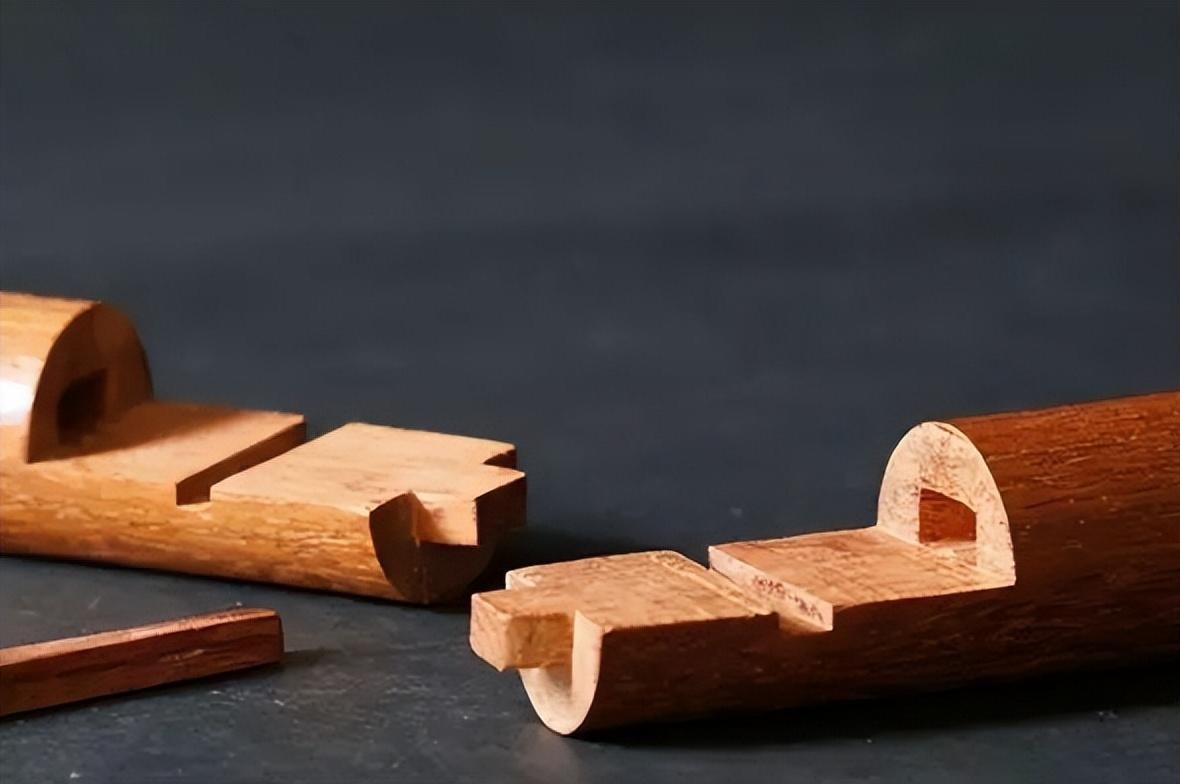
Chinese architecture stands out for its elegance and durability, and much of this is thanks to the ingenious mortise-and-tenon (榫卯) system—a technique where interlocking wooden components fit together without nails or glue. Imagine LEGO bricks for buildings: each piece is precisely carved to lock into another, creating a stable structure through clever engineering rather than force.
This method dates back over 7,000 years, predating even the Great Wall. The Forbidden City in Beijing, a UNESCO World Heritage Site, still stands proudly after centuries, thanks largely to these joints. Unlike Western architecture, which often relies on metal brackets, Chinese builders historically used mortise-and-tenon to create flexible yet sturdy frameworks.
A fun comparison? Think of IKEA furniture: some pieces click together perfectly without screws. Now imagine that precision on a massive scale, with wooden beams supporting entire palaces. This technique reflects the Chinese philosophy of harmony—structures cooperate rather than being forcibly held.
Next time you see traditional Chinese wooden buildings, remember: their strength lies in the quiet genius of interlocking parts, a timeless metaphor for balance and unity.