The Hierarchy of Roof Designs in Chinese Architecture
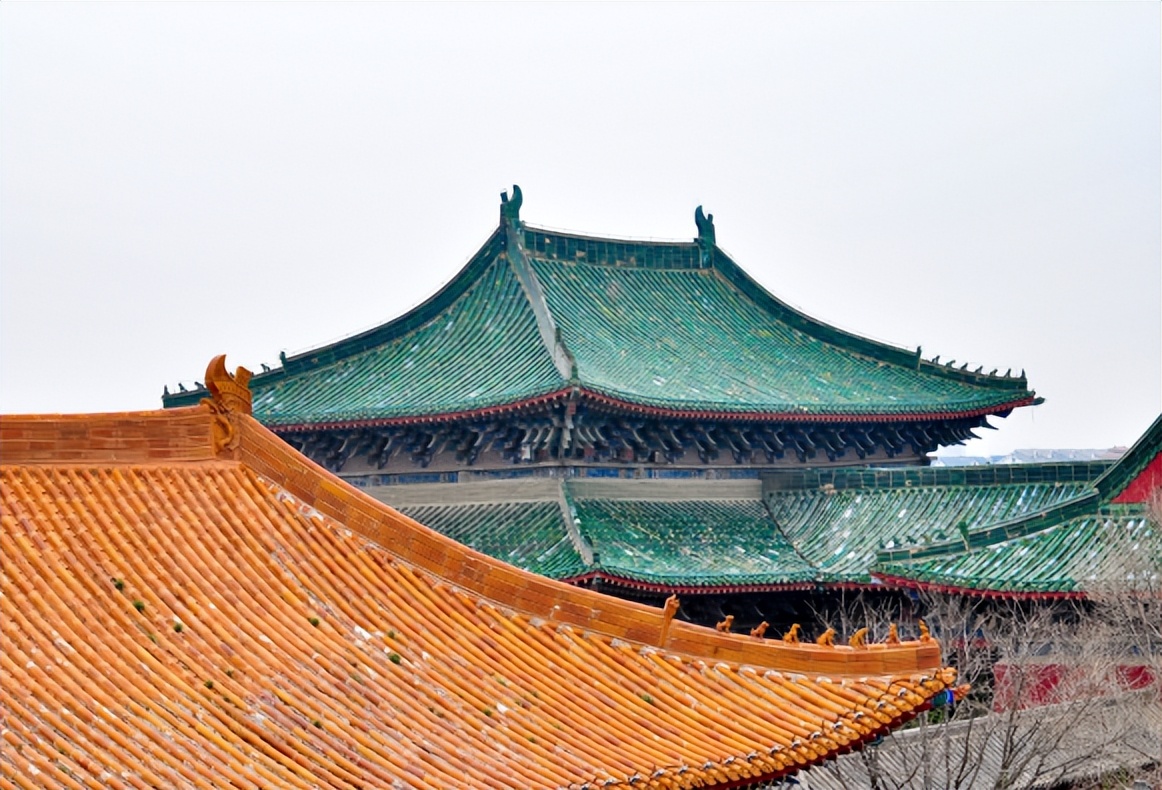
Chinese ancient architecture uses roof styles to symbolize social status and importance, much like how uniforms or titles denote rank in Western societies. The three most prominent styles—Wudian (hip-and-gable), Xieshan (gabled with a hip), and Xuanshan (single-sloped) roofs—reflect this hierarchy, with their complexity and grandeur directly tied to their prestige.
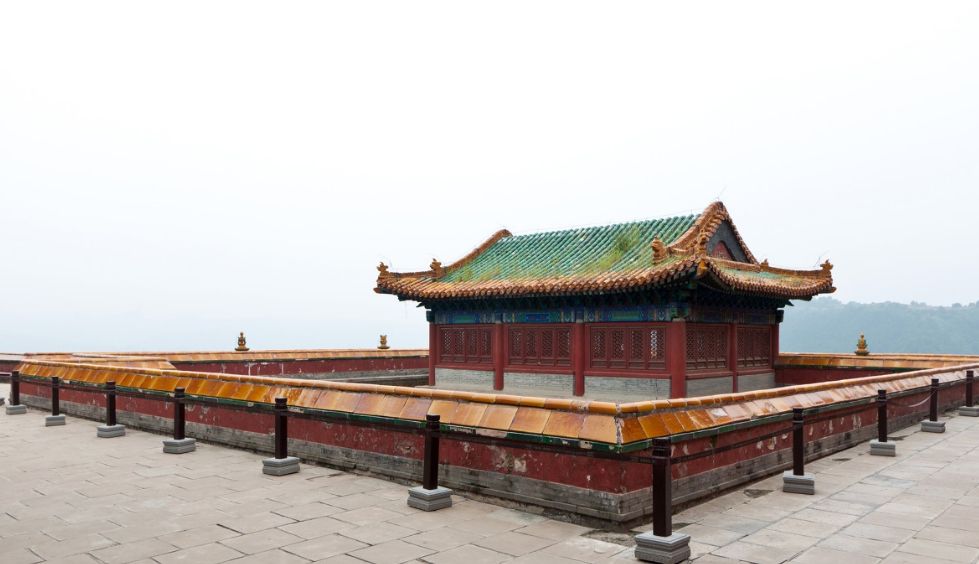
At the top is the Wudian roof (e.g., the Hall of Supreme Harmony in Beijing’s Forbidden City), featuring a symmetrical, multi-tiered design with upturned eaves. It was reserved for imperial palaces, akin to a royal crown in Europe. Next is the Xieshan roof, a hybrid of hip and gable styles (seen in Buddhist temples), symbolizing reverence but slightly less grand than the Wudian—like a bishop’s mitre compared to a king’s. The Xuanshan roof, a simpler single slope (common in homes), resembles a modest cottage, reflecting its lower status.
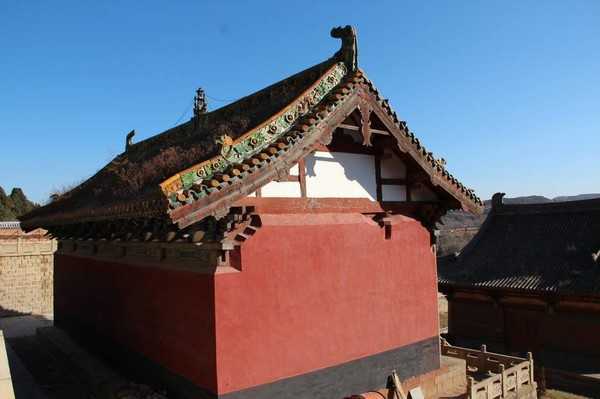
These designs aren’t just aesthetic; they’re cultural codes. Just as Gothic cathedrals used spire heights to emphasize divinity, Chinese roofs used layers and curves to convey power. For example, the Forbidden City’s Wudian roofs, adorned with mythical creatures, visually "shouted" imperial authority—much like a gold-trimmed throne. Understanding these roofs unlocks the silent language of China’s built heritage.