Roof Ridge Art: The Story of Kissing Beasts and Walking Beasts
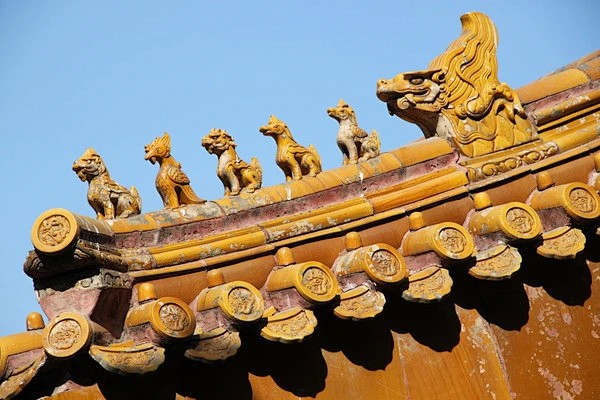
In traditional Chinese architecture, the roof isn’t just a shelter—it’s a canvas for stunning sculptures called kissing beasts (吻兽) and walking beasts (走兽). These ornamental figures, perched atop palace and temple roofs, blend artistry with symbolism.
Imagine the Eiffel Tower adorned with mythical creatures; that’s how striking these roof ornaments are. The most famous is the one at the Forbidden City’s Hall of Supreme Harmony, which crowns China’s largest wooden structure. The full ensemble includes a line of smaller beasts (usually 3–9, depending on the building’s importance). For example, 7 beasts symbolize imperial authority.
These creatures serve both practical and spiritual purposes. Like gargoyles in European cathedrals (which drain rainwater), some Chinese roof beasts have water spouts. Yet they also ward off evil, akin to guardian lions in front of temples. The number and type of beasts reflect hierarchy—more beasts mean higher status, much like stars on a general’s uniform.
Next time you see a Chinese roof, look up: those whimsical yet meaningful figures tell stories of power, protection, and centuries-old craftsmanship. They’re not just decorations—they’re cultural roof stars shining through history.