The Wisdom Behind Chinese Gate Designs: A Window into Tradition

In traditional Chinese architecture, even the front gate of a home reflects social status, culture, and craftsmanship. Unlike uniform Western doors, Chinese gates come in distinct styles—each with symbolic meaning. For example, the Wangfu Gate (王府大门), used by nobility, resembles a grand palace entrance with multiple pillars and intricate carvings, much like a European castle’s main gate but with more ornate details. The Guangliang Gate (广亮大门), slightly smaller but still imposing, was for high-ranking officials, akin to a stately manor’s entrance in England. Meanwhile, the Ruyi Gate (如意门), modest yet elegant, was favored by wealthy merchants, similar to a well-designed townhouse door in France—functional but refined.
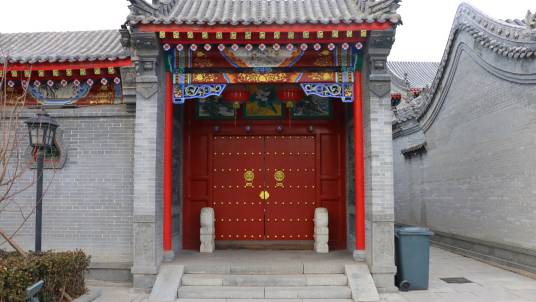
These gates weren’t just entryways; they were statements. The size, materials, and decorations (like stone lions or painted beams) signaled the owner’s rank, much like how a tailored suit or luxury car might today. Even the placement of the gate within a courtyard wall followed feng shui principles, ensuring harmony.
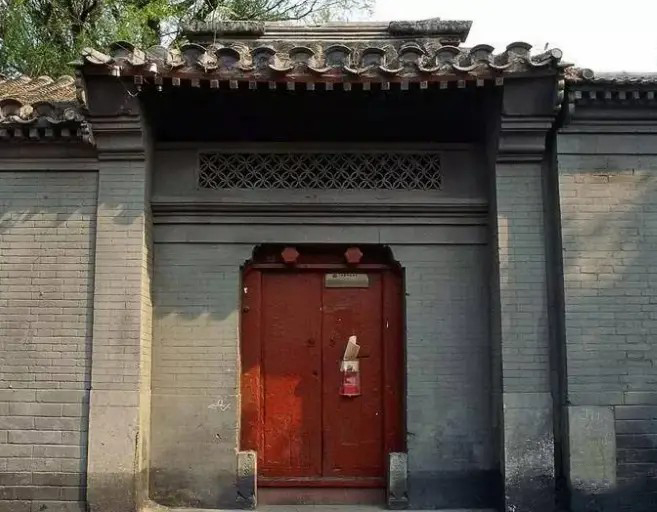
For those unfamiliar with Chinese culture, think of these gates as the business cards of ancient homes—visually communicating identity without words. Exploring them offers a glimpse into how tradition shapes everyday life, blending beauty with meaning.