The Art of Window Lattices: Patterns Like Ice Cracks and Step-by-Step Brocades
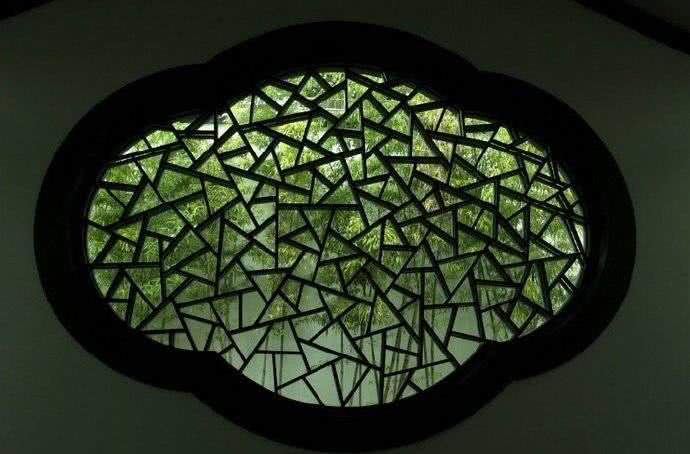
Chinese window lattices are more than just functional wooden frames—they are miniature canvases of cultural symbolism. The intricate patterns, such as bingliewen (ice cracks) or bubujin (step-by-step brocade), blend aesthetics with meaning, much like Gothic stained glass in European cathedrals tells biblical stories through light and design.
Take bingliewen for instance. Its jagged lines mimic cracked ice, symbolizing resilience and the promise of spring. Imagine a frost-covered window slowly melting to reveal new life—a metaphor for perseverance. Similarly, bubujin features interlocking diamonds and squares, resembling a path unfolding step by step. It’s akin to the herringbone brickwork in Western architecture, but here, each geometric segment represents progress and harmony.
These designs aren’t random. Like the fleur-de-lis in French motifs, Chinese lattice patterns often carry auspicious meanings. A suanni (mythical lion-dog) pattern wards off evil, while swirling clouds suggest prosperity. Even the negative space between patterns is deliberate, creating a balance rooted in China’s own philosophical traditions.
For visitors to old hutongs or museums, these lattices are a visual poem—where craftsmanship meets cultural codes, inviting you to decode stories hidden in wood and light.